
Managing Kidney, Bladder, and Prostate Health
Taking care of your kidney, bladder, and prostate health is important for overall wellbeing. These organs play a major role in removing waste from the body and maintaining proper urinary function. When problems occur, they can affect daily comfort, energy levels, and quality of life.
Understanding common conditions and knowing when to seek medical help can make a big difference.
Understanding the Urinary System
The urinary system includes:
-
Kidneys – filter waste and excess fluids from the blood
-
Bladder – stores urine before it leaves the body
-
Ureters – carry urine from the kidneys to the bladder
-
Urethra – releases urine from the body
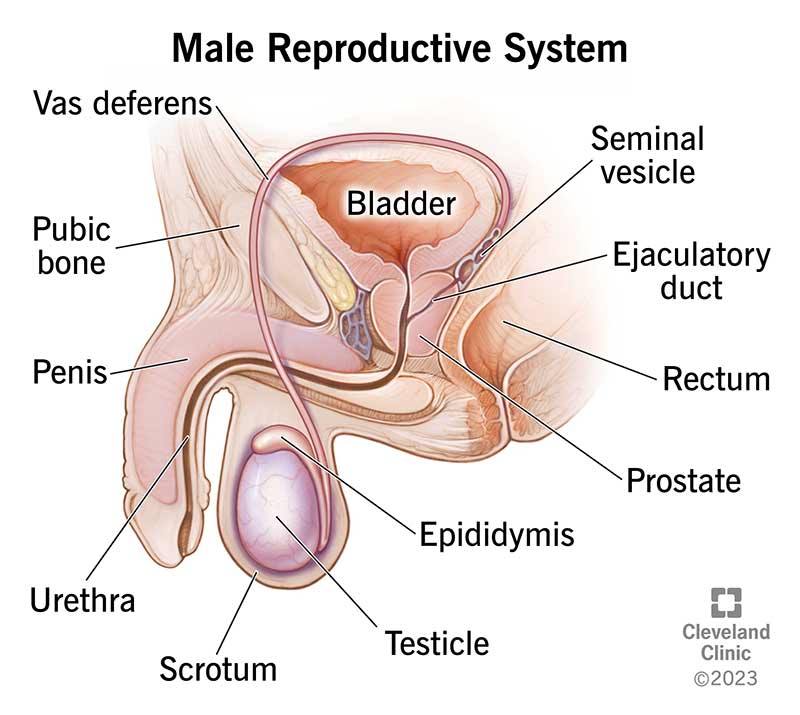
For men, the prostate is also an important part of urinary and reproductive health.
When any of these organs are not functioning properly, symptoms may appear.
Common Kidney Problems
Kidney Stones
Kidney stones are hard deposits that form inside the kidneys. They can cause strong pain in the lower back or side. Small stones may pass naturally, while larger ones may require medical treatment.
Kidney Infections
Infections can spread from the bladder to the kidneys if left untreated. Symptoms may include fever, back pain, and painful urination.
Staying hydrated and seeking early treatment can reduce complications.
Common Bladder Issues
Urinary Tract Infections (UTIs)
UTIs are common and may cause burning during urination, frequent urination, and discomfort.
Overactive Bladder
This condition causes sudden urges to urinate and sometimes leakage.
Urinary Incontinence
Loss of bladder control can affect both men and women, especially with aging.
Most bladder conditions can be managed with medication, lifestyle changes, or minor procedures.
Prostate Health in Men
The prostate gland can change as men age.
Benign Prostatic Hyperplasia (BPH)
This is prostate enlargement, which may cause weak urine flow or frequent urination.
Prostatitis
Inflammation of the prostate that may cause pain or discomfort.
Prostate Cancer
Regular screening is important, especially for men over 50 or those with a family history.
Early detection often leads to better treatment outcomes.
When to Seek Medical Advice
You should consult a healthcare professional if you experience:
-
Blood in the urine
-
Ongoing pain in the back or lower abdomen
-
Difficulty urinating
-
Frequent or painful urination
-
Sudden changes in urinary habits
Ignoring symptoms may lead to more serious complications.
Tips for Maintaining Urinary Health
You can support kidney, bladder, and prostate health by:
-
Drinking enough water daily
-
Limiting excessive salt intake
-
Avoiding smoking
-
Maintaining a healthy weight
-
Exercising regularly
-
Scheduling routine medical check-ups
Healthy habits play a major role in prevention.


Leave a Reply
Want to join the discussion?Feel free to contribute!