
Prostate Enlargement: What Men Should Know
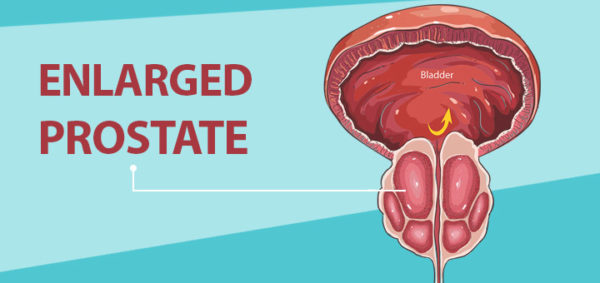
Prostate enlargement, also known as Benign Prostatic Hyperplasia (BPH), is a common condition that affects many men as they get older. The Prostate gland is a small gland located below the bladder and around the urethra. Its main role is to produce fluid that helps nourish and transport sperm.
As men age, the prostate can gradually become larger. When this happens, it may press against the urethra and make it harder for urine to pass through.
Common Symptoms
Men with prostate enlargement may experience:
-
Frequent urination, especially at night
-
Difficulty starting urination
-
Weak or slow urine stream
-
Feeling that the bladder is not completely empty
-
Sudden urge to urinate
These symptoms can affect daily life and sleep, so it is important to consult a doctor if they persist.
Causes and Risk Factors
The exact cause of prostate enlargement is not fully understood, but several factors may increase the risk:
-
Aging (most common in men over 50)
-
Hormonal changes
-
Family history
-
Certain lifestyle factors
Diagnosis
Doctors, often urologists, may use several methods to diagnose prostate enlargement, such as:
-
Physical examination
-
Urine tests
-
Blood tests
-
Ultrasound or other imaging tests
These tests help determine the size of the prostate and rule out other conditions.
Treatment Options
Treatment depends on the severity of symptoms. Some men with mild symptoms may only need regular monitoring. Other treatment options include:
-
Medications to relax the prostate muscles or shrink the gland
-
Lifestyle changes, such as reducing caffeine and alcohol
-
Minimally invasive procedures
-
Surgery in severe cases
Final Thoughts
Prostate enlargement is a common part of aging for many men, but it should not be ignored. With proper medical care and early diagnosis, most men can manage their symptoms effectively and maintain a good quality of life.


Leave a Reply
Want to join the discussion?Feel free to contribute!