Understanding Common Urological Conditions: Causes, Symptoms, and Treatments*

As experts in urology, we understand that discussing urological conditions may not always be comfortable, but knowledge is power when it comes to your health. That’s why we’re here to shed light on some of the most common urological conditions, their causes, symptoms, and available treatments.


1. Urinary Tract Infections (UTIs)

UTIs are among the most prevalent urological conditions, particularly in women. They occur when bacteria enter the urinary tract, leading to infection. Symptoms may include a frequent urge to urinate, a burning sensation during urination, cloudy or bloody urine, and pelvic pain. Treatment typically involves antibiotics prescribed by a healthcare provider.


2. Kidney Stones

Kidney stones are solid deposits of minerals and salts that form in the kidneys. They can vary in size and may cause excruciating pain when passing through the urinary tract. Common symptoms include severe back or abdominal pain, nausea, vomiting, and blood in the urine. Treatment options range from pain management to surgical intervention, depending on the size and location of the stone.


3. Benign Prostatic Hyperplasia (BPH)

BPH, also known as an enlarged prostate, is a common condition among aging men. It occurs when the prostate gland grows larger, leading to urinary symptoms such as frequent urination, difficulty starting or maintaining urination, weak urine stream, and urinary retention. Treatment options include medications, minimally invasive procedures, and surgery, depending on the severity of symptoms.


diabetes urologist , diabetes urologist brisbane, diabetes urology brisbane,

4. Erectile Dysfunction (ED)

ED is the inability to achieve or maintain an erection sufficient for sexual intercourse. While it can be a sensitive topic for many men, it’s essential to address it openly with a healthcare provider. Causes of ED can include underlying health conditions, such as diabetes or cardiovascular disease, as well as psychological factors. Treatment may involve lifestyle changes, medications, vacuum erection devices, or surgical implants.


5. Urinary Incontinence

Urinary incontinence is the involuntary loss of bladder control, leading to leakage of urine. It can occur due to various factors, including weakened pelvic muscles, nerve damage, or underlying medical conditions. Symptoms may range from occasional leaks to complete loss of bladder control. Treatment options include pelvic floor exercises, lifestyle modifications, medications, and in some cases, surgery.


Seeking Help for Urological Concerns

If you’re experiencing symptoms of a urological condition or have concerns about your urological health, don’t hesitate to reach out to a urologist. Early detection and intervention are key to effectively managing urological conditions and improving quality of life.

At Dr. Jo Schoeman, we’re dedicated to providing compassionate and comprehensive care for patients with urological concerns. Our team of experienced urologists is here to listen, educate, and guide you through your journey to optimal urological health.

Don’t let urological conditions hold you back from living your best life. Contact us (07) 3371 7288 today to schedule a consultation and take the first step towards better urological wellness.


Jo Schoeman – Urological Surgeon

All appointments for all locations are scheduled through Jo’s consulting rooms at the Wesley Hospital

Note: All appointments require a detailed GP referral.

Tel: (07) 3371 7288
Fax: (07) 3870 5350

Suite 46, Level 4
The Wesley Medical Centre, the Wesley Hospital
24 Chasely Street
AUCHENFLOWER, Brisbane QLD

Your Trusted Urologist in Brisbane at Wesley Hospital

When it comes to urological health, having a skilled and experienced urologist is crucial for personalized and effective care. In Brisbane, one name stands out in the field – We’ll explore the expertise of Dr. Schoeman and the exceptional urological care she provides at Wesley Hospital.


Understanding Urology at Wesley Hospital

Wesley Hospital in Brisbane is renowned for its commitment to delivering high-quality healthcare across various specialties. As part of the hospital’s esteemed team, Dr. Jo Schoeman brings her extensive knowledge and compassionate approach to urology, ensuring patients receive the best possible care for their urological concerns.


laser beam , the steam, dream stream uro team, urologist brisbane

Dr. Jo Schoeman: A Leader in Urology


1. Specialized Expertise
With a focus on urological conditions, Dr. Schoeman brings specialized expertise to Wesley Hospital. From common issues like urinary tract infections to complex cases such as kidney stones and prostate cancer, Dr. Schoeman is dedicated to providing comprehensive and individualized care.


2. Cutting-Edge Technology
Wesley Hospital is equipped with state-of-the-art technology, and Dr. Schoeman utilizes the latest advancements in urological diagnostics and treatments. This ensures that patients receive accurate diagnoses and innovative solutions for their urological concerns.


Why Choose Dr. Jo Schoeman?


1. Patient-Centered Approach
Dr. Schoeman is known for his patient-centered approach, taking the time to understand each patient’s unique needs and concerns. This personalized care fosters a trusting doctor-patient relationship, essential for effective urological treatment.


2. Commitment to Education
As a urologist committed to patient education, Dr. Schoeman ensures that individuals are well-informed about their conditions and treatment options. This empowers patients to actively participate in their healthcare decisions.


How to Schedule an Appointment


If you’re seeking a urologist in Brisbane, look no further than Dr. Jo Schoeman at Wesley Hospital. To schedule an appointment, visit the hospital’s website or contact their urology department directly. Don’t let urological concerns impact your quality of life – trust Dr. Schoeman for expert care in a state-of-the-art facility.


urologist brisbane, best urologist brisbane, urologist wesley hospital , Dr Jo Schoeman,

Dr. Jo Schoeman’s presence at Wesley Hospital adds a valuable dimension to the hospital’s commitment to excellence in healthcare. For those in Brisbane seeking a urologist, Dr. Schoeman’s expertise and the advanced facilities at Wesley Hospital provide a winning combination for comprehensive urological care. Schedule your appointment today and take the first step toward optimal urological health with Dr. Jo Schoeman.


Phone : (07) 3371 7288

Contact Us

How Often 40-60-Year-Olds Should Go to the Toilet

In the realm of urology, understanding what’s considered normal is crucial for maintaining optimal health. Dr. Jo Scheoman, an esteemed Urologist in Brisbane, delves into a common yet often overlooked question: How often should individuals aged 40-60 go to the toilet? We’ll explore the average frequency and Dr. Scheoman’s recommended guidelines for a healthy urological routine.


Understanding the Average:

The average frequency of bathroom visits can vary from person to person, but generally, adults in their 40s to 60s may find themselves using the toilet about 6 to 8 times a day. However, Dr. Jo Scheoman emphasises that what’s most important is understanding your body’s patterns and recognising deviations from your norm.


urologist brisbane, urology specialist brisbane, urology brisbane, urologist wesley hospital ,


Recommended Frequency from a Urologist’s Perspective:

While there’s a range considered normal, Dr. Jo Scheoman provides some guidelines for maintaining optimal urological health:

1. Stay Hydrated:  Adequate hydration is crucial for kidney function. Drinking enough water throughout the day can contribute to a healthy urinary system.

2. Dietary Considerations: A balanced diet with sufficient fiber can promote regular bowel movements and contribute to overall urological health.

3. Listen to Your Body: Dr. Scheoman emphasises the importance of paying attention to your body’s signals. If you experience changes in frequency, urgency, or any discomfort, it’s essential to consult with a urologist.


When to Seek Professional Advice:

Dr. Jo Scheoman advises that individuals should seek professional advice if they notice significant changes in bathroom habits, experience pain during urination, or encounter any other urological symptoms. Regular check-ups with a urologist can help identify and address potential issues early on.


Understanding the average frequency of bathroom visits is a crucial aspect of maintaining urological health. Dr. Jo Scheoman’s perspective emphasizes the importance of individualised care, recognising that what’s normal for one person may not be the same for another. As you navigate your urological journey, remember that open communication with a urologist and attention to your body’s signals are key components of optimal health.

dr jo schoeman logo,

Choose Dr. Jo Scheoman for Urological Guidance – where expertise meets personalised care.

Phone : (07) 3371 7288

Guide to Navigating Alcohol During the New Year Holidays

As we raise our glasses to welcome the New Year, it’s essential to consider the impact of alcohol on our urological health. Dr. Jo Scheoman, a distinguished expert in urology based in Brisbane, sheds light on the significance of monitoring alcohol intake during the festive season.

Discover the impact of alcohol on the body, the importance of moderation, and effective steps to uphold optimal urological health with Dr. Jo Scheoman, your premier urologist in Brisbane

  1. Understanding the Impact of Alcohol on Urological Health: Excessive alcohol consumption can have detrimental effects on the urinary system. Alcohol is a diuretic, meaning it increases urine production, leading to dehydration. This can strain the kidneys and contribute to bladder irritation. Moreover, alcohol can interfere with the signals between the brain and the bladder, potentially leading to incontinence issues.
  2. Why Moderation Matters: Dr. Jo Scheoman emphasises the importance of moderation when it comes to alcohol. Chronic heavy drinking is associated with an increased risk of urinary tract infections, kidney stones, and other urological complications. By being mindful of your alcohol intake, you can mitigate these risks and promote a healthier urinary system.
  3. Impact on Dehydration and Kidney Function: Alcohol’s diuretic effect can deplete the body’s essential fluids, impacting kidney function. Dehydration makes it harder for the kidneys to filter toxins and can contribute to the formation of kidney stones. Dr. Jo Scheoman recommends alternating alcoholic beverages with water to stay hydrated and lessen the strain on the kidneys.
  4. Steps to Take if You’ve Consumed Excessive Alcohol: If you find yourself having overindulged in alcohol, Dr. Jo Scheoman advises taking proactive steps. Rehydrate by drinking plenty of water, and consider incorporating electrolyte-rich beverages to restore the balance of essential minerals in your body. Rest and allow your body time to recover, and if symptoms persist, seek medical attention promptly.
  5. Types of Alcohol and Their Impact: Different alcoholic beverages can have varying effects on urological health. Certain drinks, particularly those high in caffeine or carbonation, can exacerbate bladder irritation. Dr. Jo Scheoman suggests opting for lighter, less acidic options and being mindful of mixers that may contribute to bladder discomfort.
  6. Preventing Urological Issues: To prevent urological issues related to alcohol, moderation is key. Set limits on your alcohol consumption, pace yourself and choose beverages wisely. Dr. Jo Scheoman encourages incorporating non-alcoholic alternatives and staying aware of your body’s signals to ensure a healthy and enjoyable celebration.

As you celebrate the New Year in Brisbane, Dr. Jo Scheoman’s insights into alcohol and urological health provide valuable guidance. By understanding the impact of alcohol, embracing moderation, and taking proactive steps if needed, you can raise your glass to a healthier, happier, and more vibrant year ahead.

If you find yourself uncertain about your urological health or if you simply want to address any lingering questions face to face, consider scheduling your next appointment with Dr. Jo Scheoman (07) 3371 7288 . As a prominent expert in urology, these check-ups not only offer reassurance but also serve as a platform for preventive care, early detection, and personalised guidance tailored to ensure your ongoing well-being.
Cheers to urological wellness!

Practical Lifestyle Tips from Dr. Jo Schoeman

Your bladder plays a pivotal role in your overall health, and simple lifestyle adjustments can go a long way in promoting optimal function.

What does your bladder do for your body?

The bladder, a vital component of the urinary system, plays a crucial role in maintaining the body’s equilibrium. Its primary function is to store urine produced by the kidneys until it is ready to be expelled. As urine accumulates, the bladder stretches, signaling to the brain the need for evacuation. This intricate process is orchestrated by a complex interplay of nerves and muscles. A healthy bladder ensures effective waste elimination, contributing to the overall balance and well-being of the body. It serves as a sentinel, guarding against the buildup of toxins and safeguarding the integrity of the urinary tract.


1. Stay Hydrated, Mindfully:
– Adequate hydration is key for a healthy bladder. Dr. Jo Schoeman recommends maintaining a consistent water intake throughout the day. Aim for at least 8 glasses (about 2 liters) of water daily. Proper hydration helps flush out toxins and reduces the risk of urinary tract infections.


2. Watch Your Caffeine Intake:
– While enjoying your favourite cup of coffee or tea, moderation is the key. Caffeine can irritate the bladder and lead to increased urgency. Dr. Schoeman suggests balancing your caffeine consumption and opting for decaffeinated options, especially in the evening.

urologist Brisbane, urologist wesley hosptial ,

3. Mind Your Diet:
– Certain foods can impact bladder health. Dr. Jo Schoeman advises incorporating a balanced diet rich in fruits, vegetables, and fiber. Limiting spicy foods, citrus fruits, and artificial sweeteners may benefit those prone to bladder sensitivity.


4. Maintain a Healthy Weight:
– Carrying excess weight can contribute to bladder issues. Dr. Schoeman recommends adopting a healthy lifestyle that includes regular exercise and a well-balanced diet to manage weight and reduce the risk of bladder-related problems.

urologist woman brisbane, urologist female brisbane, male urologist brisbane, best urologist brisbane

5. Practice Pelvic Floor Exercises:
– Strengthening your pelvic floor muscles is crucial for bladder health. Dr. Jo Schoeman suggests integrating pelvic floor exercises, such as Kegels, into your routine. These exercises can enhance bladder control and prevent issues like urinary incontinence.


6. Listen to Your Body:
– Pay attention to your body’s signals. Dr. Schoeman emphasises the importance of responding to the urge to urinate promptly. Holding in urine for extended periods can strain the bladder and increase the risk of infections.


By implementing these practical tips into your lifestyle, you can proactively care for your bladder health. Remember, maintaining a healthy bladder is a holistic endeavor that involves hydration, diet, exercise, and attentive self-care. For personalised advice and urological care, trust Dr. Jo Schoeman, your expert Urologist in Brisbane. Your well-being is our priority!

dr jo schoeman logo,

Trust Dr. Jo Schoeman, your Urologist in Brisbane, to provide expert guidance on nurturing your bladder’s health and optimising its vital role in your body’s intricate symphony.


Dr. Jo Schoeman 

Tel: (07) 3371 7288

Top 6 Foods for Urological and Renal Health

When it comes to looking after your urological health, many folks might not be aware that what’s on their plate plays a pivotal role. Dr. Joe Schoeman, a respected urologist, underscores the importance of adopting a well-balanced, nutrient-rich diet to support urinary system function and overall well-being.

1. Berries:
Berries, like blueberries, strawberries, and raspberries, are rich in antioxidants and vitamins. These fruits contain compounds linked to a reduced risk of urinary tract infections (UTIs) and may contribute to a healthier bladder. The antioxidants in berries help combat oxidative stress and inflammation, promoting a more robust urological system.


2. Watermelon:
Known for its high water content, watermelon is not only refreshing but also beneficial for urological health. The hydration provided by watermelon supports proper kidney function and helps flush out toxins from the urinary system. Additionally, watermelon contains lycopene, a powerful antioxidant associated with a lower risk of certain urological conditions.


3. Leafy Greens:
Leafy greens like spinach, kale, and Swiss chard are excellent sources of vitamins, minerals, and fibre. These vegetables contribute to overall health by reducing inflammation and promoting optimal kidney function. The fibre content aids in digestion and can help prevent constipation, indirectly benefiting the urinary system.


fatty fish , urology food, urology brisbane,

4. Fatty Fish:
Omega-3 fatty acids found in fatty fish like salmon, mackerel, and trout have anti-inflammatory properties. Chronic inflammation may contribute to various urological issues, and including fatty fish in the diet can help manage inflammation and support a healthy urinary tract.


5. Pumpkin Seeds:
Pumpkin seeds are rich in zinc, essential for prostate health. Maintaining a healthy prostate is crucial for preventing conditions like benign prostatic hyperplasia (BPH) or prostate cancer. Incorporating pumpkin seeds into your diet can provide the necessary nutrients to support prostate function.


urogolgy food, tumeric

6. Turmeric:
Curcumin, the active compound in turmeric, has powerful anti-inflammatory and antioxidant properties. Including turmeric in your diet may help alleviate inflammation in the urinary system and reduce the risk of certain urological issues. Consider adding turmeric to dishes or enjoying turmeric tea for its potential health benefits.


Dr. Joe Schoeman’s insights into urology extend beyond traditional medical practices, encompassing the significance of a well-rounded and nutritious diet. By incorporating these urology-friendly foods into your meals, you can take proactive steps toward maintaining a healthy urinary system. Remember, always consult with your healthcare provider for personalised advice, especially if you have existing urological conditions. Embrace the power of nutrition, and let your journey to urological well-being begin with the food on your plate.


Phone : (07) 3371 7288

Understanding Urology

Urology is a specialised field of medicine that focuses on the diagnosis and treatment of disorders related to the urinary tract and male reproductive system. We will delve into what urology entails, who is most likely at risk, and what patients can expect when seeking the expertise of Dr. Jo Schoeman.

Understanding Urology:
Urology encompasses a wide range of conditions, including urinary tract infections, kidney stones, bladder issues, prostate disorders, and more. Dr. Jo Schoeman brings a wealth of experience to Brisbane, specialising in the latest advancements in urological care. His commitment to patient-centred care ensures that individuals receive comprehensive and compassionate treatment tailored to their specific needs.


Who Is at Risk:
Various factors can contribute to urological issues, and certain demographics are more susceptible. Men and women of all ages may encounter urological challenges, but risk factors such as age, gender, family history, and lifestyle choices can increase susceptibility. Dr. Jo Schoeman addresses concerns related to both genders, providing expert care for a diverse range of urological conditions.

urologist brisbane, urologist brisbane bulk billing , best urologist brisbane, urologist brisbane wesley hospital

What to Expect When You See Dr. Jo Schoeman:
Patients visiting Dr. Jo Schoeman can anticipate a thorough and personalised approach to their urological health. The journey begins with a comprehensive consultation, where Dr. Schoeman takes the time to understand the patient’s medical history, symptoms, and concerns. Diagnostic tests may be recommended, including imaging studies and laboratory tests, to pinpoint the root cause of the issue.

Dr. Schoeman values open communication and actively involves patients in their treatment plans. Whether it’s a routine check-up, managing a chronic condition, or exploring surgical options, he ensures that patients are well-informed and comfortable throughout the process. With access to state-of-the-art facilities, Dr. Jo Schoeman employs cutting-edge technology to deliver accurate diagnoses and effective treatments.

Choosing Dr. Jo Schoeman as your urologist in Brisbane means choosing a dedicated professional committed to your urological well-being. Whether you’re facing a specific concern or seeking preventive care, Dr. Schoeman’s expertise and patient-centric approach make him a trusted partner in your urological health journey.

Schedule your consultation today and take the first step toward optimal urological wellness with Dr. Jo Schoeman.


Phone : (07) 3371 7288

Fax : (07) 3870 5350

The Steam, Laser-Beam, dream-stream Uro-Team

Building Team Spirit

A healthy cohesive work environment is generally what we all want. Nobody likes to experience those really awful days at work, especially with high stress levels and underlying friction being part of a complex surgery environment.

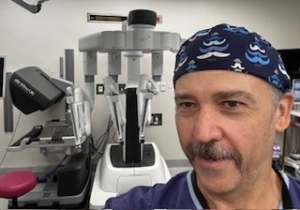
I am fortunate to have the privilege to work with genuinely nice people every day across all 4 hospitals I work at. I was recently inspired to create a team identity at St Andrew War Memorial Hospital. Maybe the fact that the other urology practice at the hospital had designed their own cap…  I thought I would try it out as this is a hospital where I do my niche surgeries: Rezum therapy and Greenlight laser vaporization of the prostate. Therefore, a catchy slogan would go well.


Cool Hey! Keep an eye out for us at St Andrews War Memorial hospital.

Test the strength of your urine flow

Do I have the toy for you guys! Ever wondered how fast you urinate? When seeing foam in the bowl is not enough… Remember those days when we could see who urinated the furthest… I am obviously referring to your childhood, out in the bush or garden with your mates, and on the odd occasion of taking a leak at the same time, it would always end in a competition (boys will be boys). Hopefully you have outgrown this as it is probably not socially acceptable to do this anymore. We do experience a bit of this in public toilets occasionally with younger blokes urinating next to you, taking you back down memory-lane to the good-old days.

I generally ask the guys how fast their flow is. I occasionally get a puzzled look… My response would be: “Can you still wee over the fence, or do you wet your shoes? Can you still put foam in the bowl?” There is purpose in the question: A flow rate reveals a lot about a man’s lower urinary tract health. This forms part of the assessment your LUTS (lower urinary tract symptoms). LUTS consist of voiding symptoms and storage symptoms. A slow flow, interrupted flow, stop-start and inability to empty completely are your voiding symptoms. The storage symptoms are urgency, frequency, urge incontinence and urinating more than once a night. These are more prevalent with a bladder issue (overactive bladder) or significant outflow obstruction irritating your bladder. You could also have an overflow incontinence caused by the longstanding obstruction, whether it’s your prostate or a neurological (nerve) issue.

Pre-requirements for a Flowrate is a full bladder with a minimum of 150 cc present in the bladder. For this test, you will urinate into a special funnel that is connected to a measuring device. The device calculates the amount of urine, rate of flow in seconds, and the length of time until all urine has been passed. This information helps evaluate how well the lower urinary tract is working. It also helps figure out if there is a blockage of normal urine outflow. I look at the shape of the curve created on a graph. There a many tell-tale signs in this one examination. Once the flow rate is completed, I do an ultrasound to check how much urine remains in your bladder. I then have a wealth of information regarding the function of your bladder. This assists in decision making in the management of your urological issue.   

A Normal flow rate averages between 11-20ml/s. As you age over 50 your flow rate deteriorates. The flow rate should have a nice bell-curve. Usually, you would empty your bladder in less than 60 seconds. The average bladder volume is 600cc. Residual urine volumes vary with age and gender and should be as low as possible. A value between 100-150 cc is acceptable over the age of 60.

Results from a study published in the Indian Journal of Urology. Flow rates (Qmax values) in adult males were significantly higher than in the elderly and Qmax values in young females were significantly higher than in young males. Qmax values in males increased with age until 15 years old; followed by a slow decline until reaching 50 years old followed by a rapid decline after 50 years old even after correcting voided volume. Qmax values in females increased with age until they reached age 15 followed by decline in flow rate until a pre-menopausal age followed by no significant decline in post-menopausal females. Qmax values increased with voided volume until 700 cc followed by a plateau and decline.  (Age, gender, and voided volume dependency of peak urinary flow rate and uroflowmetry nomogram in the Indian population – PMC (nih.gov)


Mean maximum and average flow rate parameters in different age group.

Male population Maximum flow rate Average flow rate

16-50 years old 22.8 ml/sec 13.22ml/sec
>50 year 17.04 ml/sec 8.9ml/sec

Female population Maximum flow rate Average flow rate

Pre-menopausal 21.8 ml/sec 12 ml/sec
Post-menopausal 17.59 ml/sec 10.2 ml/sec

Pediatric population Maximum flow rate Average flow rate

Girls 19.33 ml/sec 11.25 ml/sec
Boys 16.9 ml/sec 9.6 ml/sec


Factors influencing your flow rate:

  • Benign prostatic hypertrophy (BPH). This is enlargement of the prostate gland. It is not caused by cancer and often happens in men over age 50. The prostate wraps around the urethra. When it is enlarged, it can narrow the urethra and interfere with normal passage of urine from the bladder. If left untreated, the enlarged prostate can block the urethra completely.
  • Cancer of the prostate or bladder
  • Urinary blockage. A urinary tract blockage can happen for many reasons along any part of the urinary tract, from the kidneys to the urethra. It can lead to a urine backup. This can cause infection, scarring, or even kidney failure if untreated.
  • Neurogenic bladder dysfunction. This is trouble with bladder function due to a nervous system problem, such as a spinal cord tumor or injury.
  • Frequent urinary tract infections. These can cause scarring and damage in the urinary tract.
  • Urine Flow Test | Johns Hopkins Medicine


What do I use it for:

  • Diagnosis of an outflow obstruction.
  • Assess the outcome of interventions: medical or surgical.
  • With addition of Urodynamic studies, functional and neurogenic bladder issues can be managed appropriately.


So, guys come see me with your full bladders at the Wesley Hospital in Brisbane. Let’s see how well and effective you urinate, and then discuss how we can get you back to care-free urinating. The good old days.