

Management Options for Benign Prostate Hyperplasia
What is BPH?
Benign Prostate Hyperplasia
(BPH) is a non-cancerous enlargement of the prostate gland that commonly affects men as they age.
As the prostate grows, it can press on the urethra and cause urinary symptoms such as:
- Frequent or urgent need to urinate
- Difficulty starting urination
- Weak urine stream or dribbling
- Getting up multiple times at night
- Feeling the bladder hasn’t fully emptied

Watchful Waiting & Lifestyle Changes
Active Monitoring
- Annual check-ups with your doctor
- Symptom tracking using validated scores
- Prostate size monitoring
- ~79% of patients remain stable over 5 years
Lifestyle Adjustments
- Reduce fluids before bedtime
- Limit caffeine and alcohol
- Avoid decongestants & antihistamines
- Practice timed voiding
- Stay active and maintain healthy weight
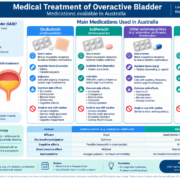
Medications
Alpha-Blockers
Fast-acting relief
- Relax prostate & bladder neck muscles
- Improve urine flow within days
- Examples: tamsulosin, alfuzosin
- May cause dizziness or low blood pressure
5-Alpha Reductase Inhibitors
Long-term shrinkage
- Shrink prostate over 6-12 months
- Best for larger prostates (>40 cc)
- Examples: finasteride, dutasteride
- Can be combined with alpha-blockers
PDE5 Inhibitors (Tadalafil)
Dual benefit
- Daily low-dose relaxes smooth muscle
- Also treats erectile dysfunction
- Newer AUA guidelines support combos
- Preserves ejaculatory function
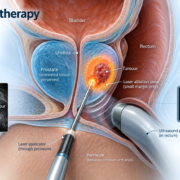
Minimally Invasive Procedures
- Rezum – Steam Therapy
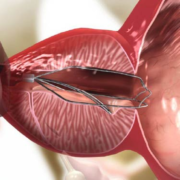
- UroLift – Prostatic Lift
- iTIND – Temporary Implant
Surgical Options
- TURP
- HoLep
- Greenlight Vaporization (PVP)
- Robotic Simple Prostatectomy
TURP remains the traditional gold standard. HoLEP and RSP offers the best long-term durability, especially for larger prostates.
HoLEP: Lowest retreatment rate (2% at 10 years), works for all prostate sizes. GreenLight: Same-day discharge, safe on blood thinners.
Choosing the Right Treatment
Treatment depends on several individual factors. Discuss these with your doctor:
- Symptom severity and how much they bother you
- Prostate size (small, medium, or large)
- Whether medications have been tried already
- Recovery time and return-to-activity goals
- Sexual function priorities (ejaculation, erections)
Key Takeaways
- BPH is very common and not cancerous — effective treatments are available at every stage
- Mild symptoms often improve with simple lifestyle changes and regular monitoring
- Medications can significantly reduce symptoms; newer combinations offer added benefits.
- Minimally invasive procedures preserve sexual function with quick recovery times.
- Surgery provides the most durable results for larger prostates or severe symptoms.
Talk to your urologist about which option is right for you


Leave a Reply
Want to join the discussion?Feel free to contribute!