
Recurrent Urinary Tract Infections: Causes, Investigation and Prevention

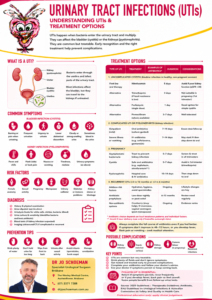
Urinary tract infections are common, uncomfortable and sometimes disruptive to everyday life. For some people, however, they keep returning despite apparently appropriate treatment.

A recurrent urinary tract infection, or recurrent UTI, is generally defined as:

  • Two or more symptomatic infections within six months; or
  • Three or more symptomatic infections within 12 months.

Recurrent UTIs are much more common in women, but they also occur in men, particularly when there is prostate disease, incomplete bladder emptying, urinary stones, catheter use or an abnormality of the urinary tract.

The key to successful management is not simply prescribing another antibiotic. We need to confirm that the symptoms are genuinely caused by infection, identify why infections are recurring and develop an individual prevention strategy.

What symptoms suggest a UTI?

A lower urinary tract infection, or cystitis, commonly causes:

  • Burning or stinging when passing urine
  • Increased urinary frequency
  • Urgency
  • Passing small amounts of urine
  • Lower abdominal discomfort
  • Blood in the urine
  • Cloudy or strong-smelling urine

Fever, shaking, flank or kidney pain, vomiting, confusion or feeling seriously unwell may indicate infection involving the kidneys or bloodstream and requires prompt medical assessment.

Is it always an infection?

Not every episode of burning, urgency or bladder discomfort is caused by bacteria. Similar symptoms may result from:

  • Genitourinary syndrome of menopause or vaginal atrophy
  • Overactive bladder
  • Interstitial cystitis/bladder pain syndrome
  • Pelvic-floor muscle dysfunction
  • Urethral or vaginal inflammation
  • Sexually transmitted infections
  • Urinary stones
  • Bladder cancer
  • Prostatitis
  • Incomplete bladder emptying

Repeated antibiotics given without confirming infection can delay the correct diagnosis and increase antibiotic resistance.

Whenever practical, a midstream urine sample should be collected for culture before commencing antibiotics. The European Association of Urology recommends confirming recurrent cystitis with urine cultures.

Why do urinary infections keep returning?

Most UTIs are caused by bacteria, commonly Escherichia coli, travelling from the bowel or genital region into the urinary tract. Recurrence may represent reinfection with a new organism or relapse involving the same organism.

Common contributing factors in women

These include:

  • Sexual intercourse
  • Spermicide or diaphragm use
  • A new sexual partner
  • Pregnancy
  • Menopause and loss of vaginal oestrogen
  • Vaginal or pelvic-organ prolapse
  • Urinary incontinence
  • Incomplete bladder emptying
  • Diabetes
  • Previous antibiotic exposure
  • Urinary stones or obstruction
  • Catheterisation or urinary-tract procedures

Causes that are particularly important in men

Recurrent UTI in a man usually warrants further assessment. Possible contributors include:

  • Benign prostate enlargement and bladder-outlet obstruction
  • Chronic bacterial prostatitis
  • Urethral stricture
  • Urinary stones
  • High residual urine volumes
  • Catheter use
  • Previous urinary surgery or instrumentation
  • Neurological bladder dysfunction

How are recurrent UTIs investigated?

Assessment begins with a careful history and review of previous urine-culture results. The clinician may consider:

  • Urinalysis and urine culture during symptomatic episodes
  • Examination for vaginal atrophy or pelvic-organ prolapse
  • Measurement of the amount of urine remaining after voiding
  • Kidney and bladder ultrasound
  • Assessment of urinary flow
  • Blood tests, including kidney function and diabetes screening
  • Evaluation for prostatitis in men
  • Cystoscopy or CT imaging in selected patients

Routine cystoscopy or extensive imaging is not necessary for every otherwise healthy woman. Further investigation becomes more important when there is visible blood in the urine, recurrent kidney infection, persistent pain, stones, unusual organisms, poor bladder emptying, previous urinary surgery or failure of standard prevention.

Treating an acute infection

A symptomatic, culture-confirmed infection is usually treated with a short course of antibiotics selected according to:

  • The urine-culture result
  • Previous antibiotic exposure
  • Allergies
  • Kidney function
  • Pregnancy status
  • Local bacterial-resistance patterns

Suitable patients who recognise their symptoms reliably may be offered a prearranged “self-start” antibiotic course, ideally after submitting a urine sample.

A positive urine culture without urinary symptoms is called asymptomatic bacteriuria. It usually should not be treated, except in specific situations such as pregnancy or before certain urological procedures. Treating asymptomatic bacteriuria unnecessarily may increase adverse effects and antibiotic resistance without preventing future infections.

A stepwise prevention strategy

Prevention should normally begin with correction of contributing factors and non-antibiotic measures. Medication or antibiotic prophylaxis can then be introduced when the expected benefit outweighs the risks.

1. Hydration and bladder habits

For people who normally drink relatively little, increasing water intake may reduce infection frequency. One clinical trial found benefit from an additional 1.5 litres of water daily in premenopausal women whose usual fluid intake was below 1.5 litres per day.

Other practical measures include:

  • Avoiding prolonged delays in passing urine
  • Emptying the bladder after intercourse if this appears helpful
  • Treating constipation
  • Avoiding spermicides when infections are temporally associated with their use
  • Managing prolapse or incomplete bladder emptying
  • Reviewing catheter technique and necessity
  • Optimising diabetic control

Many traditional recommendations: such as a particular wiping direction, special underwear or mandatory post-coital voiding, have limited supporting evidence. They are generally harmless but should not be presented as guaranteed prevention.

2. Vaginal oestrogen

Vaginal oestrogen is one of the best-supported non-antibiotic treatments for postmenopausal women with recurrent UTIs, particularly when vaginal dryness, irritation or discomfort is present.

It may be supplied as a cream, pessary or vaginal tablet. Local treatment helps restore the vaginal tissues and protective bacterial environment. It is different from systemic menopausal hormone therapy and produces much lower systemic hormone exposure.

Temporary local irritation or spotting may occur. Women with a history of oestrogen-sensitive cancer should discuss treatment with their treating specialists. Oral oestrogen has not demonstrated the same UTI-prevention benefit.

The EAU gives vaginal oestrogen a strong recommendation for prevention in postmenopausal women.

3. Methenamine hippurate

Methenamine hippurate is a urinary antiseptic rather than a conventional antibiotic. In acidic urine, it is converted into formaldehyde, which suppresses bacterial growth.

The ALTAR randomised trial found that methenamine hippurate was not inferior to daily low-dose antibiotics for preventing recurrent UTIs in women over 12 months, although the antibiotic group experienced slightly fewer infections.

Methenamine can be a useful antibiotic-sparing option for selected patients without significant urinary-tract abnormalities. It may not be suitable in severe kidney or liver impairment and must not be combined with sulfonamide antibiotics. Alkalinising urinary products may reduce its effectiveness. Medical supervision is therefore important.

4. Cranberry products

Cranberry products may modestly reduce recurrent UTIs in some women, but products and doses vary greatly. Evidence is supportive but inconsistent, and there is no universally accepted dose.

Cranberry should be considered an optional supplement rather than a replacement for investigation or proven treatment. Patients taking warfarin should discuss cranberry products with their doctor because of a potential interaction.

5. D-mannose

D-mannose has been widely promoted as preventing E. coli from adhering to the bladder lining. Earlier small studies suggested benefit, but a larger placebo-controlled trial found that daily D-mannose did not significantly reduce medically attended recurrent UTIs.

It may still be chosen by some patients, but expectations should be realistic. Current evidence is weak and contradictory.

6. Probiotics

Some vaginal Lactobacillus preparations may help restore protective vaginal flora, but results depend on the bacterial strain and formulation. Evidence remains insufficient to recommend all commercially available oral or vaginal probiotics as equivalent treatments.

Prophylactic antibiotics

When infections remain troublesome despite correcting reversible causes and trying appropriate non-antibiotic measures, prophylactic antibiotics may be considered.

Post-coital prophylaxis

A single antibiotic dose taken after intercourse may be appropriate when infections are clearly related to sexual activity. It reduces total antibiotic exposure compared with daily treatment.

Continuous low-dose prophylaxis

A low-dose antibiotic may be prescribed nightly or at another regular interval, commonly for three to six months and sometimes longer. Options may include nitrofurantoin, trimethoprim, cefalexin or intermittent fosfomycin, depending on culture results, renal function, allergies and Australian resistance patterns.

Daily and post-coital prophylaxis appear similarly effective when correctly matched to the patient’s infection pattern.

Potential disadvantages include:

  • Thrush, nausea or diarrhoea
  • Allergic reactions
  • Selection of resistant bacteria
  • Clostridioides difficile infection
  • Drug-specific toxicity

Long-term nitrofurantoin, for example, can rarely affect the lungs, liver or peripheral nerves and requires appropriate clinical monitoring. Infections may return after prophylaxis is stopped.

For these reasons, antibiotic prophylaxis should be reviewed periodically rather than continued automatically.

Bladder instillations

The correct term is bladder or intravesical instillation. A small catheter is passed into the bladder, and a solution is introduced and retained for a prescribed period.

Hyaluronic acid, alone or combined with chondroitin sulphate, is intended to replenish the bladder’s protective glycosaminoglycan layer. Studies suggest that these treatments may:

  • Reduce the number of recurrent infections
  • Increase the time before the next infection
  • Improve associated bladder pain, urgency or frequency in some patients

However, the evidence is based on relatively small and mixed-quality studies. The EAU makes only a weak recommendation for these instillations after less-invasive prevention strategies have failed.

Treatment usually requires an initial series followed by maintenance instillations. Disadvantages include cost, inconvenience, temporary discomfort and the small infection or urethral-trauma risk associated with catheterisation.

Antibiotic bladder instillation, most often gentamicin, is used off-label in selected patients, particularly those performing intermittent catheterisation or those with neurological bladder dysfunction and resistant infections. Evidence is mainly observational, and treatment should be supervised by an experienced urologist or infectious-diseases team. It is not routine first-line therapy for otherwise healthy patients.

Are vaccines available for recurrent UTIs?

Several bacterial immunoactive products are sometimes described as UTI “vaccines,” although they are different from conventional childhood vaccines and are not routinely available or approved in every country.

Examples include:

  • OM-89 or Uro-Vaxom: an oral preparation containing bacterial lysates from selected E. coli strains
  • MV140 or Uromune: a sublingual spray containing inactivated whole-cell bacteria
  • StroVac: an injectable bacterial preparation available in limited settings
  • Other experimental products, including ExPEC vaccines

MV140 has produced encouraging results in a randomised trial and observational studies. However, the EAU notes that the certainty of the overall evidence remains low and currently recommends immunomodulatory prophylaxis mainly within a well-regulated clinical-trial setting.

These products should not be advertised as a guaranteed cure. Regulatory approval, supply and access vary, and some may be unapproved or available only through special-access pathways in Australia. Patients should discuss the evidence, cost, regulatory status and alternatives with their urologist before considering treatment.

When should you seek urgent help?

Prompt medical assessment is important if urinary symptoms are accompanied by:

  • Fever or shaking chills
  • Kidney or flank pain
  • Vomiting or inability to keep fluids down
  • Confusion, faintness or severe weakness
  • Pregnancy
  • Inability to pass urine
  • Significant visible blood or blood clots
  • Rapid deterioration or concern about sepsis

Men, children, pregnant women, immunocompromised patients and people with urinary obstruction, catheters or known kidney disease generally require earlier assessment.

The take-home message

Recurrent UTIs are real and can have a substantial effect on comfort, confidence, sexual relationships, work and quality of life. Management should go beyond repeated short courses of antibiotics.

A sensible strategy is to:

  1. Confirm symptomatic episodes with urine cultures.
  2. Exclude conditions that mimic infection.
  3. Identify stones, obstruction, residual urine, prolapse, vaginal atrophy or prostate disease.
  4. Correct reversible causes.
  5. Introduce evidence-based non-antibiotic prevention.
  6. Consider methenamine or carefully selected antibiotic prophylaxis when necessary.
  7. Reserve bladder instillations and immunoactive treatments for appropriately selected patients after an informed discussion.

Treatment should always be individualised according to the patient’s culture results, anatomy, medical history and personal preferences.

So, if you suffer with chronic or recurrent infections, ask your GP for a referral to your Brisbane, Caboolture Urologist, Dr Jo Schoeman for further advice.

References and further reading

  1. European Association of Urology. EAU Guidelines on Urological Infections. Section on recurrent cystitis.
  2. American Urological Association, Canadian Urological Association and Society of Urodynamics, Female Pelvic Medicine & Urogenital Reconstruction. Recurrent Uncomplicated Urinary Tract Infections in Women Guideline.
  3. National Institute for Health and Care Excellence. Urinary tract infection—recurrent: antimicrobial prescribing, NG112.
  4. Harding C, Mossop H, Homer T, et al. Alternative to prophylactic antibiotics for the treatment of recurrent urinary tract infections in women: the ALTAR non-inferiority trial. BMJ. 2022;376.
  5. Williams G, Hahn D, Stephens JH, et al. Cranberries for preventing urinary tract infections. Cochrane Database of Systematic Reviews. 2023.
  6. Hayward G, Mort S, Hay AD, et al. D-mannose for prevention of recurrent urinary tract infection among women. JAMA Internal Medicine. 2024.
  7. Infectious Diseases Society of America. Clinical practice guideline for the management of asymptomatic bacteriuria.
  8. Australian Commission on Safety and Quality in Health Care. Antimicrobial stewardship resources.

This information is intended for general education and does not replace individual medical assessment. Antibiotic choice and preventive treatment should be guided by urine cultures, kidney function, allergies, pregnancy status, local resistance patterns and current Australian prescribing guidance.
Interstitial cystitis/bladder pain syndrome: what treatments work and how successful are they?

Interstitial cystitis, now more commonly called bladder pain syndrome (IC/BPS), is a chronic condition in which pain, pressure or discomfort is perceived to arise from the bladder and is usually accompanied by urinary frequency or urgency. Symptoms commonly worsen as the bladder fills and may improve temporarily after passing urine.

IC/BPS is not the same as recurrent bacterial cystitis. Urine cultures are usually negative, antibiotics generally do not help unless a genuine infection is present, and there is no single diagnostic test or universally effective medicine.

The honest message is that IC/BPS can usually be managed, but it is rarely cured by one treatment. The most successful strategy is often a tailored combination of education, trigger management, pelvic-floor care, pain treatment and bladder-directed therapy. Treatment should be reviewed regularly and stopped if it is ineffective.

Before treatment: make sure the diagnosis fits

IC/BPS is diagnosed from the symptom pattern after excluding other important causes. Assessment may include:

  • A detailed history and examination
  • Urinalysis and urine culture
  • A bladder diary
  • Assessment for pelvic-floor tenderness
  • Urine cytology, imaging or cystoscopy when clinically indicated

Blood in the urine, recurrent proven infection, urinary stones, endometriosis, pelvic-floor dysfunction, overactive bladder, urethral disease and malignancy may produce overlapping symptoms.

Cystoscopy is particularly useful when Hunner lesions are suspected. These inflamed areas of the bladder lining identify an important subgroup because lesion-directed treatment is often more effective than general medication.

Urodynamic studies are not routinely required to diagnose uncomplicated IC/BPS. They may be helpful when the diagnosis is uncertain or when voiding dysfunction, obstruction or another bladder disorder is suspected.

How successful is treatment overall?

Treatment results vary considerably. Clinical trials use different diagnostic criteria and definitions of success, while IC/BPS probably represents several related conditions rather than one disease. Placebo responses can also be substantial.

For example, in a large amitriptyline trial, 55% of patients taking amitriptyline reported moderate or marked improvement, compared with 45% receiving placebo. Among patients able to tolerate at least 50 mg per day, response was 66%, compared with 47% on placebo.

This illustrates why a treatment may appear impressive in an uncontrolled case series but demonstrate only modest additional benefit in a rigorous trial.

A network meta-analysis of 23 randomised trials involving 1,871 participants found possible symptom-score benefits from amitriptyline and cyclosporine. However, no medicine consistently improved every important outcome, and none significantly reduced 24-hour urinary frequency. A more recent systematic review reached a similar conclusion: several treatments show promise, but the evidence remains limited by small trials, mixed patient populations and variable study quality.

Success should therefore be defined individually. Less pain, fewer night-time trips, longer intervals between voids, improved sexual function, better sleep or a return to normal activities may be more realistic goals than complete disappearance of symptoms.

A practical treatment ladder

1. Education, self-management and flare planning

These measures are recommended for almost everyone:

  • Identify individual food and drink triggers.
  • Avoid excessive fluid intake without deliberately becoming dehydrated.
  • Use heat, gentle movement, relaxation and a written flare-management plan.
  • Address constipation, poor sleep, anxiety, painful intercourse and associated pain conditions.
  • Stop smoking.
  • Consider gradual bladder training if it does not provoke unacceptable pain.

Frequently reported triggers include caffeine, alcohol, carbonated drinks, citrus, tomatoes, chilli and artificial sweeteners. However, triggers are highly individual and the evidence for a universal restrictive “IC diet” is weak.

A short elimination period followed by careful reintroduction is more sensible than avoiding a long list of foods indefinitely.

2. Pelvic-floor physiotherapy

Many patients with IC/BPS have a tender, overactive or poorly coordinated pelvic floor. Specialist physiotherapy may include internal and external myofascial release, muscle relaxation, breathing exercises and coordination work.

A randomised trial in women with pelvic-floor tenderness found that approximately 59% responded to myofascial physiotherapy, compared with 26% receiving general therapeutic massage.

This treatment is not simply pelvic-floor strengthening. Repetitive Kegel exercises may aggravate symptoms when the muscles are already tight and painful. Physiotherapy should ideally be provided by a pelvic-health physiotherapist familiar with IC/BPS.

3. Oral medicines

Many oral medicines used for IC/BPS are off-label in Australia. This means the medicine is prescribed for a condition or purpose not included in its Australian approval.

Off-label prescribing is common and can be appropriate, but patients should be told about the limitations in the evidence, potential adverse effects and alternative treatments.

Amitriptyline: off-label

Amitriptyline can reduce neuropathic pain, urgency and night-time symptoms and may improve sleep. It is usually started at a low dose and increased gradually according to benefit and tolerability.

Overall trial benefit has been modest, although patients who tolerated at least 50 mg per day appeared more likely to respond.

Possible adverse effects include:

  • Dry mouth
  • Constipation
  • Drowsiness
  • Weight gain
  • Blurred vision
  • Dizziness and falls
  • Cardiac rhythm effects

These effects may limit its usefulness, particularly in older patients.

Hydroxyzine and other antihistamines: off-label

Antihistamines are sometimes considered when allergy or mast-cell-type symptoms appear prominent. Evidence is limited and inconsistent.

Sedation, dry mouth, constipation and cognitive effects can occur. Antihistamines should not be presented as proven routine treatment for all patients with IC/BPS.

Cimetidine: off-label

Small studies suggest that cimetidine may improve pain and nocturia in some patients. However, the evidence is sparse and it is difficult to predict who will respond. Interactions with other medicines should be checked.

Pentosan polysulfate sodium: Elmiron

Pentosan polysulfate sodium, or PPS, is registered in Australia for interstitial cystitis. It is intended to supplement or protect the bladder’s glycosaminoglycan lining.

However, its efficacy has been inconsistent across clinical trials, and it should not be described as a guaranteed “bladder lining repair.” When improvement occurs, it may take several months.

The major contemporary concern is pigmentary maculopathy, a potentially serious retinal disorder associated particularly with prolonged exposure and higher cumulative doses.

The Australian Therapeutic Goods Administration advises that patients be counselled about this risk and undergo regular ophthalmic examinations, particularly during long-term treatment. New difficulty reading, blurred vision, altered colour perception or slow adjustment to dim lighting requires prompt medical and ophthalmic review.

Gabapentin, pregabalin and duloxetine: off-label

Neuropathic-pain medicines may be considered when nerve-type pain or another chronic pain syndrome coexists. Direct evidence for IC/BPS is limited.

Possible adverse effects include dizziness, drowsiness, cognitive impairment, swelling and weight gain. These medicines should be continued only when there is measurable benefit.

Opioid medicines do not treat the underlying condition and are generally avoided for long-term management because sustained benefit is uncertain and harms can accumulate.

Cyclosporine A: off-label and specialist-only

Trials suggest that cyclosporine may be more effective than pentosan polysulfate in some people with severe, refractory disease, particularly patients with Hunner lesions.

However, cyclosporine can cause:

  • Kidney impairment
  • High blood pressure
  • Increased infection risk
  • Liver abnormalities
  • Significant medication interactions

It is unsuitable as routine therapy. If considered, it requires careful patient selection and close monitoring of blood pressure, kidney function and other safety parameters.

4. Medicines placed directly into the bladder

Bladder instillations may be considered when oral treatments are ineffective or poorly tolerated. Catheterisation can temporarily aggravate symptoms and carries a small risk of infection or urethral trauma.

Dimethyl sulfoxide: DMSO

DMSO is an established intravesical treatment in some jurisdictions. Older trials and clinical series report response rates commonly around 50–70% in selected patients, but the studies are generally small and the certainty of this estimate is low.

Treatment may cause temporary bladder discomfort, a symptom flare, and a garlic-like taste or body odour. Availability and regulatory status vary between countries.

Heparin, lignocaine and sodium bicarbonate “rescue” instillations:  off-label

Alkalinised lignocaine may provide relatively rapid, short-term pain relief. Heparin is intended to supplement the bladder’s protective surface layer.

Observational studies have reported improvement in approximately 56–73% of patients following courses of heparin-based instillations. However, controlled evidence is limited and the duration of benefit is uncertain.

These instillations may be useful during severe flares or as a monitored therapeutic trial, but they should not be described as a cure.

Hyaluronic acid and chondroitin sulphate

These bladder-coating treatments are widely used in some countries and are intended to replenish the glycosaminoglycan layer.

Some trials and observational studies report improvement, but results are inconsistent. Current comparative evidence does not reliably identify one preparation as superior.

The cost, repeated catheterisation, local availability and uncertain durability of benefit should be considered.

5. Procedures when medication is insufficient

Treatment of Hunner lesions

Fulguration, laser treatment or injection of triamcinolone into a Hunner lesion can produce substantial relief. Recurrence is common, however, and repeat treatment may be required.

This is one of the clearest reasons to identify the IC/BPS subtype rather than treating every patient identically.

Cystoscopy and hydrodistension

Low-pressure, short-duration bladder hydrodistension may help a subset of patients, usually for a limited period. Benefits are unpredictable, and symptoms may initially flare.

High-pressure or prolonged hydrodistension should be avoided because it carries greater risk without established additional benefit.

Botulinum toxin A: off-label for IC/BPS

Botulinum toxin injections into the bladder wall may reduce pain and urinary frequency in selected patients with refractory symptoms. It has sometimes been combined with hydrodistension in clinical studies.

Systematic reviews suggest possible benefit, but injection techniques, doses and study outcomes vary. Evidence for IC/BPS remains less certain than evidence supporting botulinum toxin for overactive bladder.

Risks include urinary infection, incomplete bladder emptying and the temporary need for intermittent self-catheterisation.

Neuromodulation

Posterior tibial nerve stimulation or sacral neuromodulation may be considered when urgency and frequency remain disabling.

Neither treatment reliably addresses bladder pain, and the supporting evidence specifically for IC/BPS is limited. Sacral neuromodulation involves a test phase followed by implantation of a permanent device only when the trial produces worthwhile improvement.

Major reconstructive surgery is reserved for a very small number of carefully selected patients with severe, refractory disease, particularly those with a small fibrotic bladder. Pain can persist after surgery if it is not truly bladder-centred.

Treatments that should generally be avoided

Long courses of antibiotics should not be prescribed when urine cultures do not demonstrate infection.

The American Urological Association also recommends against several historical treatments because benefit is absent or the risks outweigh it. These include:

  • Bacillus Calmette–Guérin treatment outside a clinical trial
  • Resiniferatoxin
  • High-pressure or prolonged hydrodistension
  • Long-term systemic glucocorticoids as routine IC/BPS treatment

Supplements such as quercetin, aloe vera and calcium glycerophosphate are promoted for IC/BPS, but high-quality evidence and reliable product standardisation are lacking. “Natural” does not mean risk-free, and supplements can interact with prescribed medicines.

Choosing treatment fairly

An unbiased treatment plan asks four questions:

  1. What is the dominant problem?
    Bladder-filling pain, pelvic-floor tenderness, Hunner lesions, urinary frequency and widespread pain may require different approaches.
  2. How strong is the evidence?
    Randomised controlled trials provide more reliable information than testimonials or uncontrolled case series.
  3. What is the treatment burden?
    Sedation, eye surveillance, repeated catheterisation, financial cost or the possibility of self-catheterisation may outweigh a modest benefit.
  4. Has the treatment worked enough to continue?
    Measurable goals should be agreed before treatment. Where possible, introduce one change at a time and discontinue ineffective therapy.

Combination treatment is common because IC/BPS may involve the bladder lining, sensory nerves, pelvic floor and the broader pain-processing system.

Psychological or pain-management support does not imply that symptoms are imaginary. Persistent pain can disrupt sleep, mood, relationships and nervous-system processing, and addressing these effects can improve function and quality of life.

When to seek prompt reassessment

Seek medical review for:

  • Visible blood in the urine
  • Fever or flank pain
  • Inability to pass urine
  • Recurrent positive urine cultures
  • Unexplained weight loss
  • New neurological symptoms
  • A significant change from the usual symptom pattern

These features should not automatically be attributed to IC/BPS.

The bottom line

There is no universally successful tablet or bladder instillation for interstitial cystitis/bladder pain syndrome.

Pelvic-floor physiotherapy has useful trial evidence in patients with pelvic-floor tenderness. Amitriptyline can help some patients who tolerate an adequate dose. Pentosan polysulfate offers uncertain average benefit and requires explicit discussion of retinal risk. Intravesical therapy, botulinum toxin and neuromodulation may help selected patients with refractory symptoms, while cyclosporine is reserved for exceptional specialist-managed cases.

Hunner lesions should be actively sought when clinically suspected because targeted treatment can be particularly valuable.

The best outcomes usually come from confirming the diagnosis, identifying the individual patient’s symptom pattern, setting realistic goals and building a treatment plan through monitored therapeutic trials, not from promising a single cure.

This article provides general information and is not a substitute for individual medical advice. Treatment availability, Australian regulatory approval and subsidy arrangements may change. Patients should discuss medications, off-label treatment, pregnancy, eye monitoring and possible drug interactions with their treating clinician.

Selected evidence and guidance

  1. Clemens JQ, Erickson DR, Varela NP, Lai HH. Diagnosis and Treatment of Interstitial Cystitis/Bladder Pain Syndrome. Journal of Urology. 2022;208:34–42. American Urological Association guideline.
  2. European Association of Urology. EAU Guidelines on Chronic Pelvic Pain—Primary Bladder Pain Syndrome. EAU guideline.
  3. Foster HE Jr, et al. Effect of amitriptyline on symptoms in treatment-naïve patients with interstitial cystitis/painful bladder syndrome. Journal of Urology. 2010;183:1853–1858. PubMed record.
  4. FitzGerald MP, et al. Randomized multicenter clinical trial of myofascial physical therapy in women with IC/PBS and pelvic-floor tenderness. Journal of Urology. 2012;187:2113–2118. PubMed record.
  5. Di X-P, et al. Efficacy and safety comparison of pharmacotherapies for IC/BPS: a systematic review and Bayesian network meta-analysis. International Urogynecology Journal. 2021;32:1129–1141. PubMed record.
  6. Park JJ, et al. Current updates relating to treatment for IC/BPS: systematic review and network meta-analysis. BMC Urology. 2024;24:95. Open-access article.
  7. Therapeutic Goods Administration. Pentosan polysulfate sodium—Elmiron: risk of pigmentary maculopathy. TGA safety advisory.

Vaginal Atrophy: How Menopause Can Affect the Bladder, Infections and Incontinence

Vaginal dryness after menopause is common, but it is not “just part of getting older” and does not need to be silently tolerated.

The modern medical term is genitourinary syndrome of menopause (GSM). This recognises that falling oestrogen levels affect not only the vagina and vulva, but also the urethra, bladder and pelvic floor. Symptoms may therefore include dryness or painful intercourse as well as urinary urgency, recurrent urinary tract infections and leakage.

GSM is usually a chronic condition. Unlike hot flushes, it often persists or gradually worsens without treatment. Fortunately, several effective management options are available.

What causes vaginal atrophy?

Before menopause, oestrogen helps keep the vaginal and lower urinary-tract tissues:

  • Thick, elastic and well lubricated
  • Well supplied with blood
  • Naturally acidic
  • Populated by protective Lactobacillus bacteria
  • More resistant to irritation and infection

When oestrogen levels fall, most commonly during perimenopause and after menopause, the vaginal lining becomes thinner, drier and less elastic. The vaginal pH rises and the protective bacterial balance changes.

Similar changes can occur after removal of the ovaries, during breastfeeding, or following some treatments for breast or gynaecological cancer.

What symptoms can vaginal atrophy cause?

Symptoms vary considerably and may include:

Vaginal and vulval symptoms

  • Dryness, burning or irritation
  • Itching or tenderness
  • Discomfort when sitting, walking or exercising
  • Pain during or after intercourse
  • Light bleeding following intercourse
  • Reduced lubrication or altered sexual sensation

Bladder and urinary symptoms

  • Urinary urgency
  • Passing urine more frequently
  • Waking at night to urinate
  • Burning or stinging when passing urine
  • Recurrent urinary tract infections
  • Urge incontinence
  • Worsening stress urinary incontinence in some women

These symptoms can overlap with infection, overactive bladder, pelvic-floor dysfunction, skin disorders and, occasionally, more serious conditions. Persistent or recurrent symptoms should therefore be properly assessed rather than repeatedly treated with antibiotics without confirmation.

Why can vaginal atrophy increase urinary infections?

The vagina, urethra and bladder are closely connected anatomically and hormonally.

After menopause, loss of protective vaginal bacteria and an increase in vaginal pH may make it easier for bowel bacteria, particularly E. coli, to colonise the vaginal opening and enter the urinary tract. Thinning around the urethra may further reduce its natural defence against infection.

Low-dose vaginal oestrogen can help restore healthier tissue and a more protective vaginal environment. For appropriately selected peri- and postmenopausal women with recurrent urinary tract infections, it can reduce the likelihood of further infections.

However, not every episode of burning or urgency is a UTI. Whenever practical, recurrent episodes should be confirmed with a midstream urine culture before antibiotics are prescribed.

How does vaginal atrophy affect continence?

Oestrogen-sensitive tissue is present around the urethra, bladder neck, vagina and pelvic floor. Oestrogen deficiency may contribute to:

  • Increased bladder sensitivity
  • Sudden urgency
  • Increased urinary frequency
  • Urge-related leakage
  • Urethral irritation
  • Reduced tissue support around the urethra

Treating GSM may improve urgency, frequency, discomfort and recurrent infection. Some women also report improved continence.

Vaginal oestrogen is not, however, a complete treatment for all urinary leakage. Stress incontinence: leakage with coughing, laughing, exercise or lifting, often requires pelvic-floor physiotherapy and sometimes additional medical or surgical management.

How is GSM assessed?

Assessment may include:

  • A careful symptom and medical history
  • Medication review
  • Pelvic examination
  • Urine testing and culture
  • Bladder diary
  • Assessment of pelvic-floor function
  • Measurement of residual urine after voiding
  • Evaluation for prolapse, skin conditions or urethral abnormalities

Further tests such as ultrasound, cystoscopy or urodynamic studies are not required for every woman. They may be recommended when symptoms are complicated, recurrent, associated with blood in the urine, or not responding as expected.

Any postmenopausal bleeding, unexplained blood-stained discharge, visible blood in the urine, pelvic mass, ulcer or persistent vulval lesion requires prompt assessment.

Management options

Treatment should be individualised according to the symptoms, examination findings, medical history and personal preferences.

Vaginal moisturisers

A vaginal moisturiser is used regularly, often several times per week, to improve ongoing hydration. It is different from a lubricant and may be sufficient for mild symptoms.

Avoid perfumed products, douches and harsh soaps, which can worsen irritation.

Lubricants

Water- or silicone-based lubricants can reduce friction during sexual activity. These provide short-term relief but do not reverse the underlying tissue changes.

Pelvic-floor physiotherapy

Pelvic-floor physiotherapy may assist women with:

  • Stress or urge incontinence
  • Pelvic-floor weakness
  • Pelvic-floor overactivity or pain
  • Painful intercourse
  • Difficulty coordinating bladder control

Importantly, more squeezing is not always better. Some women have an overactive or painful pelvic floor and need relaxation and coordination work rather than simply stronger contractions.

Bladder-directed treatment

Persistent overactive-bladder symptoms may require bladder training, fluid and caffeine modification, medication, intravesical Botox or sacral neuromodulation. Stress incontinence may require additional treatments ranging from supervised physiotherapy to bulking injections or surgery.

Topical vaginal oestrogen: what role does it play?

Low-dose vaginal oestrogen is one of the most effective treatments for moderate or persistent GSM. It is available in different preparations, including vaginal cream, tablets or pessaries.

It acts mainly within the vagina and surrounding urinary tissues. Treatment may:

  • Improve dryness, burning and irritation
  • Restore tissue thickness and elasticity
  • Reduce pain during intercourse
  • Improve urethral discomfort
  • Reduce urinary urgency and frequency in some women
  • Lower the risk of recurrent UTIs
  • Complement other treatments for bladder symptoms

Treatment commonly begins with a short loading phase followed by a lower-frequency maintenance schedule. The exact regimen depends on the product prescribed. Improvement may begin within several weeks, but the full benefit can take several months.

Because GSM is usually ongoing, symptoms commonly return when treatment is stopped.

Is topical vaginal oestrogen safe?

For most women, low-dose vaginal oestrogen has minimal absorption into the bloodstream and has a substantially different risk profile from systemic menopausal hormone therapy.

At standard low doses:

  • A progestogen is generally not required solely to protect the uterus.
  • It has not been shown to carry the same blood-clot risk as oral systemic oestrogen.
  • Long-term treatment can be considered when symptoms persist, with periodic clinical review.

Possible adverse effects include local irritation, discharge, breast tenderness or spotting, although these are uncommon.

Unexpected postmenopausal bleeding should never simply be attributed to the oestrogen. It requires investigation.

What if I have had breast cancer?

This requires an individual discussion.

Non-hormonal treatments are usually considered first. If symptoms remain troublesome, low-dose vaginal oestrogen may sometimes be considered after shared decision-making with the patient’s treating team. Particular caution is required for women taking an aromatase inhibitor, because even small changes in circulating oestrogen may be clinically important.

Women should not stop cancer medication or commence vaginal hormones without discussing this with their oncologist, breast surgeon, GP or menopause specialist. Current specialist guidance recognises that low-dose vaginal oestrogen may be reasonable for selected women when non-hormonal measures have failed, but the decision must be personalised.

MonaLisa Touch laser therapy—and why it remains controversial

MonaLisa Touch is a branded fractional carbon-dioxide laser treatment applied inside the vagina. The laser delivers controlled thermal energy to the vaginal lining with the aim of stimulating healing, collagen formation and tissue remodelling.

It is commonly promoted as a “non-hormonal” treatment for vaginal dryness, burning, painful intercourse and some urinary symptoms. A course generally involves several treatments followed by possible maintenance sessions.

Although some women report improvement, vaginal laser therapy remains controversial.

Why has it become popular?

Vaginal laser treatment may appeal to women who:

  • Prefer not to use vaginal oestrogen
  • Have not improved with moisturisers or lubricants
  • Have concerns about hormone treatment
  • Have experienced symptoms following breast-cancer treatment
  • Prefer a procedure rather than ongoing medication

Early uncontrolled studies reported encouraging improvements. However, uncontrolled studies cannot reliably separate the true treatment effect from placebo response, increased clinical attention, lubricants used during treatment or natural variation in symptoms.

The gap between marketing and evidence

The greatest controversy is the difference between strong commercial claims and the quality of the supporting clinical evidence.

Some clinics advertise vaginal laser therapy as “rejuvenation” or suggest it can restore vaginal tissue, improve sexual function, prevent infections and treat urinary incontinence. These claims are broader than the available evidence supports.

More rigorous randomised studies, particularly those comparing laser treatment with a sham procedure, have not consistently shown a clinically meaningful benefit. The 2025 joint AUA/SUFU/AUGS guideline concluded that fractional CO₂ laser may produce little or no difference in several GSM symptoms compared with sham treatment or vaginal oestrogen. AUA/SUFU/AUGS guideline

The RACGP also notes that the long-term effectiveness and safety of vaginal laser therapy have not been established.

Regulatory concerns

Regulators have raised concerns about energy-based vaginal treatments being promoted for indications that have not been adequately supported by clinical evidence.

A device being legally supplied or registered for a particular use does not necessarily mean that every advertised claim, such as treating incontinence, preventing UTIs or providing “vaginal rejuvenation”, has been independently proven.

Regulatory reviews in Australia and warnings internationally have focused on:

  • Insufficient high-quality evidence of effectiveness
  • Lack of reliable long-term safety information
  • Promotion extending beyond authorised indications
  • The possibility of women being exposed to an expensive procedure before established treatments have been tried

Patients should be cautious about phrases such as “TGA approved.” Inclusion of a device on the Australian Register of Therapeutic Goods does not amount to endorsement of every clinical or advertising claim.

Possible complications

Vaginal laser is often described as painless or risk-free, but possible adverse effects include:

  • Burning or prolonged irritation
  • Vaginal pain
  • Bleeding or discharge
  • Infection
  • Pain during intercourse
  • Urinary discomfort
  • Tissue burns
  • Scarring or narrowing of the vagina
  • Persistence or worsening of the original symptoms

The true frequency of uncommon or delayed complications is uncertain because long-term data remain limited.

Does it treat urinary incontinence or prevent UTIs?

Evidence that vaginal laser reliably treats urinary incontinence is insufficient. Small studies have reported improvements, but many lacked sham controls, had short follow-up or used subjective outcomes.

It should not be presented as an established treatment for stress urinary incontinence, overactive bladder or recurrent UTIs. These conditions require an accurate diagnosis and may respond to better-supported treatments such as:

  • Pelvic-floor physiotherapy
  • Bladder training
  • Low-dose vaginal oestrogen
  • Overactive-bladder medication
  • Continence procedures or surgery
  • UTI-prevention strategies based on urine-culture results

What about women who cannot use oestrogen?

Vaginal laser is sometimes marketed directly to breast-cancer survivors. This is particularly controversial because these women may be vulnerable to claims that a costly procedure is their only non-hormonal option.

Non-hormonal moisturisers, lubricants, pelvic-floor therapy and multidisciplinary care should be considered first. Selected women with a history of breast cancer may also be able to use low-dose vaginal oestrogen after shared decision-making with their oncologist and treating specialists.

Laser should not automatically be assumed to be safer simply because it is “non-hormonal.” Hormonal exposure is avoided, but procedural risks and uncertainty about long-term effects remain.

Cost and conflicts of interest

Vaginal laser therapy is generally privately funded and may require an initial treatment course followed by maintenance sessions. Patients should be told the total likely cost and the possibility that any improvement may be temporary.

Some published studies have had small sample sizes, limited follow-up or connections with device manufacturers. This does not automatically invalidate the findings, but it reinforces the need for independent, sham-controlled and long-term research.

The UGSA and USANZ perspective

The Urogynaecological Society of Australasia (UGSA) and the Urological Society of Australia and New Zealand (USANZ) support evidence-based assessment and management of pelvic-floor and urinary disorders.

At the time of writing, publicly accessible UGSA or USANZ guideline specifically endorsing MonaLisa Touch for GSM, recurrent UTIs or urinary incontinence could not be found. The treatment should therefore not be described as endorsed by either organisation.

A balanced conclusion

Some women report meaningful improvement after MonaLisa Touch treatment, and research into vaginal energy-based therapy is continuing. These experiences should not be dismissed. However, individual improvement does not establish that the treatment is consistently effective, superior to placebo or safe over many years.

At present, MonaLisa Touch should not be considered first-line treatment for GSM, urinary incontinence or recurrent UTIs. If it is being considered, patients should receive balanced counselling that includes:

  • The limited and conflicting evidence
  • The absence of reliable long-term safety data
  • Possible adverse effects
  • Treatment costs and likely maintenance requirements
  • Established alternatives, particularly low-dose vaginal oestrogen
  • The clinician’s experience and any financial relationship with the device provider

Ideally, treatment should be provided by an appropriately trained medical practitioner following a proper pelvic and urinary assessment, with clear consent and structured follow-up. Participation in a well-designed clinical trial is preferable where available.

When should you seek medical advice?

Please arrange an assessment if you have:

  • Recurrent or persistent UTI symptoms
  • Blood in the urine
  • Postmenopausal vaginal bleeding
  • New or worsening urinary leakage
  • Difficulty emptying the bladder
  • Persistent vaginal, vulval or pelvic pain
  • Pain during intercourse
  • A lump, ulcer or skin change
  • Symptoms that have not improved with simple measures

The take-home message

Vaginal atrophy is better understood as genitourinary syndrome of menopause because it can affect the vagina, urethra, bladder, continence and susceptibility to infection.

Low-dose vaginal oestrogen is an effective and generally safe treatment for most women and can be particularly valuable for recurrent UTIs and urinary symptoms associated with menopause. Women with previous hormone-sensitive cancer require individualised advice.

MonaLisa Touch and similar vaginal laser therapies remain less well supported. Their long-term benefits and safety are uncertain, and they should not replace proper assessment or established treatments.

This information is general and does not replace individual medical advice. Treatment should be selected after discussion with your GP, urologist, urogynaecologist, gynaecologist or menopause specialist.

So, if your menopause is driving your bladder symptoms, ask for a review with your local urogynaecologist or come chat to your functional urologist in Brisbane, Dr Jo Schoeman

Prostate Abscess: A Rare but Serious Infection

A prostate abscess is a collection of pus within the prostate gland. It usually develops as a complication of acute bacterial prostatitis when infection progresses despite treatment or when treatment has been delayed.

Prostate abscesses are uncommon, but they can become life-threatening if the infection spreads into the bloodstream. Early diagnosis, intravenous antibiotics and, when necessary, drainage of the abscess are essential.

What causes a prostate abscess?

Most prostate abscesses develop when bacteria enter the prostate from the urinary tract. The infection may begin in the bladder or urethra and travel backwards through the prostatic ducts.

Common bacteria include:

  • Escherichia coli
  • Klebsiella species
  • Pseudomonas species
  • Proteus species
  • Enterococcus species
  • Staphylococcus aureus, including resistant strains such as MRSA

Less commonly, bacteria reach the prostate through the bloodstream from an infection elsewhere in the body. Fungal and tuberculosis-related abscesses are rare but may occur in people with significant immune suppression.

Who is at increased risk?

A prostate abscess is more likely to develop in men with:

  • Diabetes, particularly when blood glucose is poorly controlled
  • A weakened immune system
  • Long-term corticosteroid or immunosuppressive treatment
  • HIV or another significant immune disorder
  • Difficulty emptying the bladder
  • Benign prostate enlargement
  • A urethral stricture
  • A long-term urinary catheter
  • Recent urinary tract instrumentation
  • Recent prostate biopsy or prostate surgery
  • Recurrent urinary tract infections
  • Chronic kidney disease or dialysis
  • Intravenous drug use
  • Acute bacterial prostatitis that is not improving with appropriate antibiotics

Diabetes is one of the most frequently identified risk factors. High blood glucose can impair the immune response and make infection more difficult to control.

How does a prostate abscess present?

The symptoms often resemble acute prostatitis or a severe urinary tract infection. A man may experience:

  • Fever, chills or shaking
  • Pain or burning when passing urine
  • Frequent or urgent urination
  • Difficulty starting or maintaining the urinary stream
  • Inability to pass urine
  • Pain in the pelvis, perineum, groin or lower back
  • Painful ejaculation
  • Blood in the urine
  • Cloudy or unpleasant-smelling urine
  • General weakness, nausea or confusion

On examination, the prostate may be enlarged, tender or feel unusually soft or fluctuant. However, the absence of a typical prostate examination does not exclude an abscess.

Forceful prostate massage should be avoided in someone with acute prostatitis or a suspected abscess because it may push bacteria into the bloodstream.

When should a prostate abscess be suspected?

A prostate abscess should be considered when a patient with acute prostatitis:

  • Remains febrile after approximately 48–72 hours of appropriate antibiotics
  • Becomes more unwell despite treatment
  • Develops urinary retention
  • Has persistent pelvic or perineal pain
  • Has recurrent infection with the same organism
  • Has diabetes, immune suppression or another major risk factor

Symptoms alone cannot reliably distinguish an abscess from uncomplicated prostatitis. Imaging is usually needed to confirm the diagnosis.

How is it diagnosed?

Initial investigations may include:

  • Urine microscopy and culture
  • Blood cultures, preferably before antibiotics when this does not delay treatment
  • Full blood count
  • Kidney function and electrolyte tests
  • Inflammatory markers
  • Blood glucose testing
  • Blood lactate and other sepsis investigations when the patient is seriously unwell

Imaging may be performed using:

Transrectal ultrasound

Transrectal ultrasound can demonstrate one or more fluid-filled cavities within the prostate. It can also be used to guide needle drainage.

CT scan

A CT scan of the pelvis is particularly useful when the patient is very unwell or when infection may have spread beyond the prostate. It can also identify urinary obstruction, stones or another source of infection.

MRI

MRI provides detailed images of the prostate and surrounding tissues. It may be helpful when ultrasound or CT findings are unclear, but it is not always the most practical first investigation in an emergency.

Is a prostate abscess an emergency?

A prostate abscess can lead to bloodstream infection, sepsis and septic shock. Patients with fever, shaking chills, confusion, low blood pressure, rapid breathing, severe weakness or inability to pass urine require urgent hospital assessment.

Emergency management may involve:

  • Immediate assessment for sepsis
  • Blood and urine cultures
  • Intravenous fluids
  • Prompt intravenous antibiotics
  • Pain relief
  • Monitoring of blood pressure, urine output and kidney function
  • Treatment of uncontrolled diabetes
  • Urgent urinary drainage if the bladder cannot empty
  • Early consultation with a urologist and, when appropriate, an infectious diseases physician

Antibiotics should not be delayed in a patient who is septic while waiting for scans or culture results.

If urinary retention is present, bladder drainage is required. A urethral catheter may sometimes be used carefully, but a suprapubic catheter inserted through the lower abdomen may be preferred when urethral catheterisation is difficult or likely to cause significant prostate irritation. The best approach depends on the patient’s condition and anatomy.

Treatment with antibiotics

All prostate abscesses require antibiotic treatment.

A patient who is systemically unwell will usually begin treatment with broad-spectrum intravenous antibiotics. The initial antibiotic choice depends on:

  • The likely source of infection
  • Local bacterial resistance patterns
  • Previous urine culture results
  • Recent hospital admission or antibiotic exposure
  • Recent catheterisation or urinary surgery
  • Kidney function
  • Drug allergies
  • The possibility of resistant bacteria or Staphylococcus aureus

Once culture results become available, treatment can be narrowed to an antibiotic that targets the identified organism and penetrates prostate tissue effectively.

After clear clinical improvement, intravenous treatment may be changed to an appropriate oral antibiotic. Treatment is usually longer than for a simple bladder infection and commonly continues for several weeks. The exact duration depends on the organism, abscess size, success of drainage, immune status and response to treatment.

Follow-up urine cultures and repeat imaging may be required to confirm that the infection and abscess have resolved.

Can antibiotics alone cure a prostate abscess?

Occasionally, a small abscess in a clinically stable patient can be treated with antibiotics and close observation. This is more likely to succeed when the collection is small, often less than approximately 1 cm, and drains naturally into the prostatic ducts.

There is no single size threshold that applies to every patient. Larger, multiloculated or persistent abscesses are less likely to resolve with antibiotics alone.

Drainage should be considered when:

  • The patient is septic or clinically deteriorating
  • Fever persists despite appropriate antibiotics
  • The abscess is relatively large
  • There are several abscess cavities
  • The abscess is not shrinking on repeat imaging
  • Urinary obstruction is present
  • The infecting organism is difficult to eradicate
  • The patient has diabetes or significant immune suppression
  • The infection repeatedly returns

Current European guidance recognises that both conservative treatment and drainage may be appropriate in selected patients, with abscess size and clinical response helping to guide the decision. EAU Guidelines on Urological Infections

How is a prostate abscess drained?

Several drainage techniques are available. The method chosen depends on the size and position of the abscess, whether it has multiple compartments, the patient’s condition and local expertise.

Transrectal ultrasound-guided aspiration

A needle is passed through the rectum into the abscess under ultrasound guidance, and the pus is aspirated.

Advantages include:

  • Minimally invasive treatment
  • Usually limited anaesthesia
  • Collection of pus for culture

However, the abscess may refill, particularly if it is large, thick-walled or divided into several compartments. Repeat aspiration may be needed.

Transperineal drainage

A needle or drain is inserted through the skin between the scrotum and anus under ultrasound or imaging guidance.

This approach avoids passing through the rectal wall and may allow a drainage catheter to remain temporarily. It can be useful for appropriately positioned abscesses or when repeated drainage is anticipated.

Transurethral drainage

A telescope is passed through the urethra, and the abscess cavity is opened internally so that it can drain into the urinary channel. This may be performed by incision, deroofing or limited resection of the involved prostate tissue.

Transurethral drainage is often considered when:

  • The abscess is large
  • There are multiple or deep cavities
  • Needle aspiration has failed
  • The abscess has recurred
  • Prostate enlargement is contributing to obstruction
  • Rapid and complete drainage is required

Possible complications include bleeding, urinary infection, temporary worsening of urinary symptoms, retrograde ejaculation, urethral stricture and, less commonly, urinary incontinence or injury to surrounding structures.

Open or laparoscopic surgery

Open, laparoscopic or robotic drainage is rarely required. It may be considered if the abscess extends outside the prostate, cannot be reached by less invasive methods or is associated with another condition requiring surgery.

Antibiotics plus effective drainage remain the central principles of treatment. Management of prostate abscess in the absence of guidelines and MSD Manual: Prostate Abscess

What happens after drainage?

The drained fluid is sent for microbiological testing. This is important because the organism within the abscess may differ from that found in the urine.

Following drainage, the patient usually continues antibiotics. Clinical improvement is monitored by checking:

  • Temperature and general wellbeing
  • Pain and urinary symptoms
  • White blood cell count and inflammatory markers
  • Kidney function
  • Blood glucose in patients with diabetes
  • Urine and blood culture results
  • Follow-up ultrasound, CT or MRI when indicated

Any contributing problem, such as bladder obstruction, a urethral stricture, a catheter or poorly controlled diabetes, should also be addressed to reduce the risk of recurrence.

What is the outlook?

With early recognition, appropriate antibiotics and adequate drainage, most prostate abscesses can be successfully treated.

Delayed treatment may result in:

  • Sepsis or septic shock
  • Spread of infection beyond the prostate
  • Fistula formation into nearby structures
  • Recurrent urinary infection
  • Chronic pelvic discomfort
  • Prolonged difficulty passing urine
  • Rarely, death from overwhelming infection

A prostate abscess should therefore be regarded as a potentially serious complication of prostatitis rather than an ordinary urinary infection.

When should you seek urgent medical attention?

Attend an emergency department urgently if you develop:

  • Fever or shaking chills with urinary symptoms
  • Confusion, faintness or severe weakness
  • Inability to pass urine
  • Severe pelvic or perineal pain
  • Rapid breathing or a racing heartbeat
  • Persistent fever despite antibiotics
  • Worsening symptoms after treatment for prostatitis

Early assessment is particularly important for men with diabetes, immune suppression, a urinary catheter or recent urinary tract surgery.

This information is intended for general education and does not replace individual medical assessment. A suspected prostate abscess requires urgent assessment by a medical practitioner and usually early involvement of a urologist.

So, if this is happening to you, attend your local Emergency Department ASAP, or if you are still OK, ask your GP for an urgent referral to see your local Brisbane Urologist Dr Jo Schoeman ASAP