Entries by drjo

Spina Bifida and the Bladder: Protecting the Kidneys and Improving Continence

Spina bifida is a congenital condition in which the spine and spinal cord do not develop normally. Although it is often associated with reduced leg movement or sensation, it can also affect the nerves controlling the bladder, urethral sphincter and bowel. This is called neurogenic lower urinary tract dysfunction, or more simply a neurogenic bladder. […]

Urge Incontinence After Sling Surgery: Why Timing Matters

A sling procedure is designed to treat stress urinary incontinence, leakage with coughing, laughing, exercising or lifting. It supports the urethra so that it remains closed when abdominal pressure rises. A sling does not directly treat an overactive bladder. Some women notice that pre-existing urgency improves after surgery, while others continue to experience urgency or […]

Dysfunctional Voiding in Men: When Urgency and a Poor Stream Occur Together

Men with urinary urgency, frequency and nocturia are often presumed to have an overactive bladder. Those with a slow stream, hesitancy or incomplete emptying may be presumed to have an enlarged prostate. However, when storage and voiding symptoms occur together, the explanation may be more complicated. Some men have true prostate or bladder-neck obstruction. Others […]

The Story Behind The “Happy Prostate”

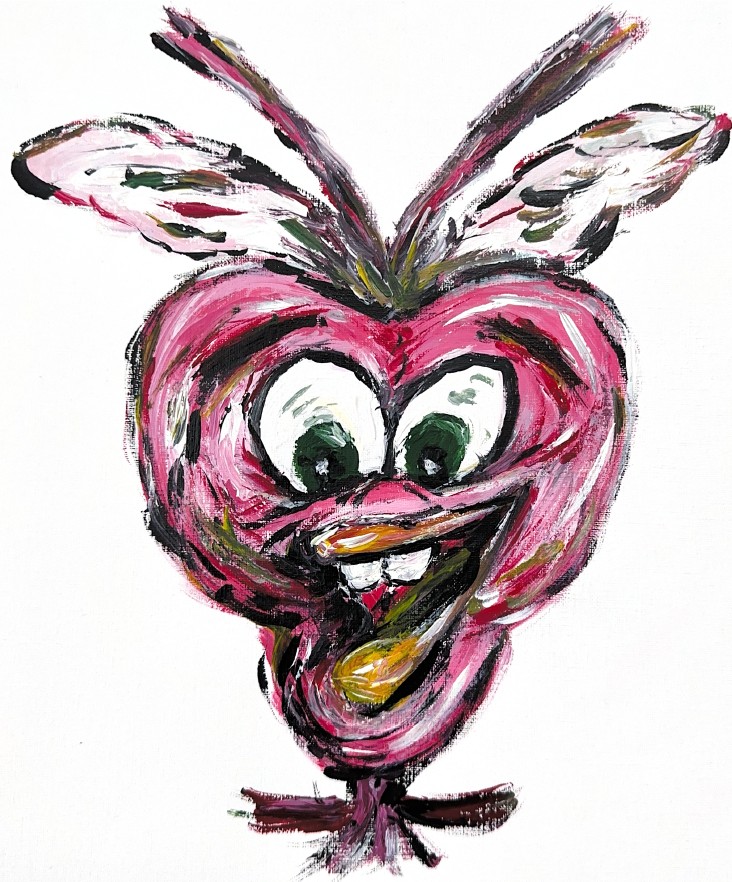
More than a logo The Happy Prostate is not simply a practice logo. It began as an original artwork that I painted myself, and it now hangs in my study at home. Its cheerful expression reflects what I hope to achieve when caring for men with prostate and urinary problems: less worry, better understanding, improved […]

Recurrent Urinary Tract Infections: Causes, Investigation and Prevention

Urinary tract infections are common, uncomfortable and sometimes disruptive to everyday life. For some people, however, they keep returning despite apparently appropriate treatment. A recurrent urinary tract infection, or recurrent UTI, is generally defined as: Two or more symptomatic infections within six months; or Three or more symptomatic infections within 12 months. Recurrent UTIs are […]

Interstitial cystitis/bladder pain syndrome: what treatments work and how successful are they?

Interstitial cystitis, now more commonly called bladder pain syndrome (IC/BPS), is a chronic condition in which pain, pressure or discomfort is perceived to arise from the bladder and is usually accompanied by urinary frequency or urgency. Symptoms commonly worsen as the bladder fills and may improve temporarily after passing urine. IC/BPS is not the same […]

Artificial Urinary Sphincter After Prostatectomy: Restoring Control After Male Stress Incontinence

Urinary leakage after prostate surgery can be frustrating, embarrassing and restrictive. When persistent leakage is caused by weakness of the urinary sphincter, an artificial urinary sphincter (AUS) is often the most reliable surgical treatment—particularly for moderate or severe stress urinary incontinence. However, not every man who leaks after prostatectomy has the same problem. Before inserting […]

Neurogenic Bladder in Hereditary Spastic Paraplegia: Treatment, Botox and Sacral Neuromodulation

Hereditary Spastic Paraplegia (HSP) is best known for causing progressive stiffness, weakness and spasticity of the legs. However, the neurological pathways controlling the bladder travel through the same spinal cord neighbourhood, and bladder dysfunction can therefore become an important and sometimes underestimated part of HSP. Studies of patients with HSP have reported lower urinary tract […]

Anterior Vaginal Prolapse (Cystocele): When the Bladder Bulges into the Vagina

An anterior vaginal prolapse, often called a cystocele, develops when the tissues supporting the bladder and the front wall of the vagina weaken. The bladder then descends and pushes into the vaginal wall, sometimes producing a noticeable vaginal bulge. A cystocele is not cancerous and is not usually dangerous. However, it can cause pressure, discomfort, […]