Rigid Cystoscopy, Retrograde Pyelogram, Stent Management

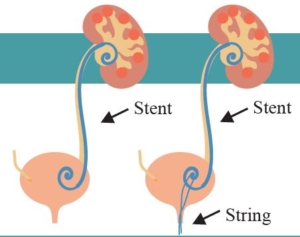
A therapeutic procedure under general anaesthetic, where a rigid cystoscopy is done in the bladder via the urethra, ureteric catheters are placed to enable imaging of the upper tracts with/without insertion or removal of ureteric stents

Why is it done?

To investigate:

  • Hematuria (blood in the urine)
  • Recurrent upper urinary tract infections
  • Space occupying lesions in the kidneys and ureters
  • Abnormal cells suggestive of urothelial carcinoma, on urine cytology


Risk factors:

  • Strong family history of bladder cancer
  • Smokers or passive smokers
  • Factory workers: dyes, paints, etc
  • Exposure to Schistosoma (Bilharzia)
  • Renal stone disease, bladder stones


How is it done?

  • This is done under General anaesthesia.
  • A cystoscopy is performed by placing a camera in the urethra with the help of a lubricant gel and saline irrigation.
  • The bladder is then distended with saline.
  • The inside of the bladder is viewed for pathology.
  • A retrograde pyelogram is done at the same time, (placement of small silicone catheters up the kidney pipes). Through this iodine contrast is injected up into the kidney collecting systems. This facilitates the viewing of kidney pipes and kidney collecting systems on X-ray to exclude any upper tract pathology.
  • If any abnormalities are found in the kidney/ ureters, a ureteroscopy (which is the placement of a long thin camera up the ureter) will be performed.
  • If any suspicious lesions are seen, a biopsy will be taken.
  • A ureteric stent may be placed
  • Urine would have been sent for cytology, to rule out the existence of cancer.

Antibiotics may be given to prevent infection

Complications

What to expect after the procedure?

  • Pain on initial passing of urine
  • Bladder infection ranging from a burning sensation to, fever, to puss (rare)
  • Bloodstained urine
  • Lower abdominal discomfort which will persist for a few days
  • Pain radiating from bladder to renal angle associated with urinating.
  • An infection could present with a stent being present.


Indications for a Ureteric stent

· Hematuria from upper tracts

· Dis-obstruction of the ureter caused either calculus, blood clot or tumour

· External compression of the ureter by retro-peritoneal pathology i.e.: Fibrosis, retroperitoneal lymph node compression

· Reduced renal function associated with hydronephrosis

· Sepsis associated with hydronephrosis


Download Information Sheet

Wes Cystoscopy RGP and Ureteric stents

Copyright 2019 Dr Jo Schoeman
Robotic-Assisted Radical Prostatectomy – RARP

Why is it done?

  • This is the surgical management option for a prostate cancer.
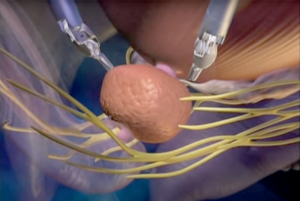
  • This Surgery is done minimally invasive with the help of DaVinci Robotic System.

Indication:

  • PSA less than 20.
  • Gleason 3,4 to low volume Gleason 4,5 contained adenocarcinoma prostate.
  • Higher grades may be considered with patients fully informed of the positive margins and the need for adjuvant radiation therapy.
  • See D’Amico criteria in terminology.
  • Staging negative, (PET PSMA).
  • 75 years and younger.
  • It is the complete removal of the prostate, seminal vesicles and bladder neck. It may include a bilateral pelvic lymphadenectomy. (Gleason 4,3 and higher).
  • A nerve sparing procedure is attempted for those guys who have good erections with no tumour infiltrating the erectile nerves.
  • A 24h post-operative High Care nursing may be required for patients with multiple risk factors.
  • The procedure takes 2-3 hours excluding the anesthetic time.
  • You will be given Deep-Vein-Thrombosis prophylaxis in the form of compression stockings, pneumatic compressions and Clexane 40-80mg subcutaneously daily. You will continue with the Clexane for 28 days. You are at risk for deep vein thrombosis due to the dynamics of any cancer in the body, which may lead to a pulmonary embolism with immediate death as result.

PSA failure

  • PSA never dropping to undetectable with positive margins in histology.
  • 3 consecutive PSA rises following RARP.

How is it done?

  • General anesthetic.
  • The surgical field is prepared.
  • A flexible cystoscopy is done to exclude any urethral strictures, bladder cancers and any other pathology.
  • An IDC is then placed.
  • A camera port is placed above the Umbilicus.
  • 3 Additional ports for robotic arms in a horizontal line on the abdomen with 2 assistant ports on the right side of the abdomen.
  • The abdominal space is entered and the Retropubic space of Retzuis is entered.
  • Endopelvic fascia is cleared and opened exposing the lateral sides of the prostate.
  • An “ULTRA-HOOD’ed” technique has been adopted this sparing the neurovascular bundle and the anterior supporting structures of the prostate providing superior continence preservation
  • The bladder neck is opened.
  • The bladder is loosened from the prostate.
  • Dennon Villiers fascia is opened to expose the Seminal Vesicles and ampullae of the Vas Deferens, the SV are dissected and the Vas clipped.
  • The lateral vascular pedicles are clipped.
  • The erectile nerves are now completed spared off the prostate.
  • The Dorsal Venous Plexus is partially preserved.
  • The urethra is cut.
  • Prostate is removed.
  • The anastomosis with the urethra is completed over an Indwelling Catheter.
  • Obturator nodes may be removed depending on the D’Amico Risk category at the beginning of the procedure.

Complications

  • Wound infections.
  • The first 6 weeks are the worst with frequency and urgency as a result.
  • Stress incontinence may occur and will improve over the next 12 months (12%).
  • Complete incontinence at 12 months (2%).
  • Erectile dysfunction (30%) where a nerve sparing procedure has been performed yet may improve over the next 18 months.
  • Bladder neck stenosis in up to 2 % requiring intermittent self-dilatation.
  • Anejaculation / Infertility.
  • Testicular pain similar to vasectomy for up to a week.
  • Possibility of bowel injury.

Post operative care

  • Sutures are subcutaneous and will be dissolved.
  • You may have a drain in the wound for 24-48 hours until it drains less than 30ml / 24 hours.
  • You may be discharge on the 2-3 days post operatively depending how soon your bowels open.
  • Normal diet will be commenced.

Catheter care

  • Your catheter will remain for 10-14 days.
  • Only after a cystogram (radiological investigations where radio-opaque contrast is placed in the bladder) confirms no leakages from the bladder-urethra-anastomosis, will the catheter be removed.
  • Remember you will leak initially, with gradual improvement up to 6 weeks post-operatively.
  • Nursing staff will teach you catheter care.
  • Your catheter should always be fixed to your leg with a catheter dressing.

Post-operative review

  • Cystogram at 10 days post-operatively to assess complete healing of urethra bladder neck anastomosis to exclude any leakages.
  • Should there be any leakages, the catheter may remain another 7 days.
  • Review PSA roughly 6 weeks after the surgery to assess post-operative Nadir.
  • Review in rooms a week later.
  • 3-6 monthly review depending on risk factors.
  • If stable with good PSA outcomes, refer back to GP for 6 monthly PSA review.
  • You will be referred to a Men’s Health Physician to assist with erectile function recovery – erections can take as long as 18 months to recover
  • Continue your pelvic physiotherapy


Download Information Sheet

Wes RA Radical Prostatectomy

Trans Urethral Resection Prostate (TURP) – Bipolar

This is the procedure used to resect the inside (the enlarged, obstructive adenoma) of the prostate. Known generally as the Re-Bore. Saline is used as irrigate.

Why is it done?

  • This procedure is performed when the prostate gland is enlarged to such an extent that medication cannot relieve the urinary symptoms.
  • Symptoms include:
    • a weak stream,
    • nightly urination,
    • frequent urination,
    • inability to urinate,
    • kidney failure due to the weak urination (obstruction),
    • bladder stones,
    • recurrent bladder infections.
  • Medication such as Flomaxtra, Urorec or Minipress etc. should always be given as a first resort.
  • Step-up therapy should have been used for prostates larger than 35-50cc with either Duodart, Avodart or Proscar, where indicated at this can cause a loss of libido.
  • Prostate cancer first needs to be ruled out by doing a PSA, and when indicated, with a 3T MRI scan of the prostate with an abnormal PSA with a possible prostate biopsy of any suspicious lesions.
  • A channel-TURP can also be performed to dis-obstruct a severe prostate cancer, to allow a normal urination process.

How is it done?

  • Patients will receive a general anesthesia, unless contra-indicated.
  • A cystoscopy is performed by placing a camera in the urethra with the help of a lubricant jelly and an irrigate (fluid).
  • The inside of the bladder is viewed for pathology. If any suspicious lesions are seen, a biopsy will be taken.
  • A resection of the prostate is then started and should take 60-90 minutes.
  • Saline is used as irrigation fluid
  • Prophylactic antibiotics will be given to prevent any infections.

What can go wrong?

  • Any anesthesia has its risks and the anesthetist will explain this to you.
  • You may in extreme cases experience blood loss, which may require a blood transfusion. (<1%)
  • Please inform the practice and the hospital if you are a Jehova’s witness and cannot use blood products.
  • A TURP Syndrome is rare.
  • You will wake up with a catheter in your urethra and bladder. This will remain in the bladder for 3 days.
  • You will have a continuous bladder irrigate with Saline running in and out of your bladder to prevent clot formation.
  • Lower abdominal discomfort for a few days.
  • NB! Each person is unique and for this reason symptoms vary!

What next?

  • You will spend 3-5 days in hospital.
  • You will a trial without catheter as soon as your urine is clear (day 3).
  • You will be discharged as soon as you can completely empty your bladder.
  • You may initially suffer from urge incontinence and will improve within the next 6 weeks.
  • Allow for 6 weeks for stabilization of symptoms.
  • There may be some blood in your urine. You can remedy this by drinking plenty of fluids until it clears.
  • A ward prescription will be issued on your discharge, for your own collection at any pharmacy.
  • A follow-up appointment will be scheduled for 6 weeks. Should your pathology be worrisome, you will be contacted for an earlier appointment.
  • Don’t hesitate to ask Jo if you have any queries.
  • DON’T SUFFER IN SILENCE, OR YOU WILL SUFFER ALONE!

Side-effects

  • Retrograde ejaculation in more than 90% of patients. Therefore, if you have not completed your family, this procedure is not for you unless absolutely necessary.
  • Infertility as a result of the retrograde ejaculation.
  • Stress incontinence especially in the elderly and the diabetic patients
  • Patients with Multiple Sclerosis, Strokes and Parkinsons have a higher risk of incontinence and risks should be discussed and accepted prior to surgery.
  • Urethral structuring in 2-3% of patients, requiring intermittent self-dilatation.
  • Regrowth of prostate lobes within 3-5 years requiring a second procedure.
  • NB! Each person is unique and for this reason symptoms vary!

Remember

You still have a peripheral zone of your prostate and regular PSA reviews are required up to the age of 75.

(This could be seen as controversial).


Download Information Sheet

Wes TURP Bipolar Saline

Scrotal Exploration for Testicular Torsion

Surgical salvage of a twisted spermatic cord, with orchiopexy and spermatic cord block

Who is susceptible?

  • Newborn babies: Often missed diagnosis.
  • 12–16-year-old boys as their testes increase in size with puberty.

Why is it done?

  • To reverse a twisted spermatic cord compromising blood supply to the testis.
  • This should be done within 4-6 hours of the first presenting symptoms.
  • A failed manual detorting of the testis.

How is it done?

  • This procedure is performed under general anesthetic.
  • A single incision is made on the midline raphe of the scrotum.
  • The affected testis and vas deference is then extracted through this incision.
  • The testis is then un-twisted.
  • The testis is then covered with a warm wet swab, encouraging blood supply in the testis by means of Vaso-dilatation.
  • Once the dusky blue grey colour is replaced by a pink colour, the testis is pexed to the dartos muscle.
  • If the testis is black on opening the scrotum and no change occurs with the revival process, the testis is removed.
  • The contra-lateral testis is pexed to the dartos muscle.
  • A dressing is then applied, which should be removed after 72 hours.
  • No strenuous movements are permitted for at least 14 days.

What to expect after the procedure?

  • Any anesthetic has its risks, and the anesthetist will explain all such risks.
  • A hematoma (blood collection under the skin) may form and needs to be reviewed by Dr Schoeman as soon as possible. Bruising is normal.
  • An infection of the wound can occur and requires immediate attention.
  • Owing to the nature of the surgery and the soft skin of the scrotum, bruising may appear to be much worse than it actually is and is no cause for alarm.
  • DANGER SIGNS: A scrotum that swells immediately to size of a football, fever, puss. Contact Dr Schoeman or the hospital immediately as this may occur in up to 5% of all cases.

What next?

  • The dressing should be kept dry for the initial 72 hours after surgery and then soaked in a bath until the dressing comes off with ease.
  • The dressing may sometimes adhere to the wound causing slight bleeding on removal.
  • Do not tug at the sutures!
  • PLEASE CONTACT THE HOSPITAL DIRECT WITH ANY POST OPERATIVE CONCERNS AND RETURN TO THE HOSPITAL IMMEDIATELY SHOULD THERE BE ANY SIGNS OF SEPSIS.

Download Information Sheet

Wes Testicular Tortion

Sacro Neuromodulation – Second Stage

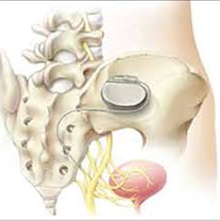
When the Temporary leads for SNM have proven to have given an improvement in symptoms a permanent lead placement is done

The aim was to alter the neurotransmission from the Spinal Centre to the Bladder

Why is it done?

  • To alter the neurotransmission from the spinal bladder center to the bladder and treat your overactive bladder.
  • Refractory overactive bladders with urge urinary incontinence. OAB
  • Under active Bladders – UAB
  • Chronic pelvic pain – CPP
  • Fecal Incontinence
  • Causative factors:
    • Undetermined
    • Neurogenic causes such as Multiple Sclerosis
  • When at least 2 anticholinergic drugs or B-adrenergic drugs have failed to have provided an improvement in symptoms of OAB
  • An alternative for ISC or permanent IDC for UAB
  • The aim was to alter the neurotransmission from the Spinal Centre to the Bladder
  • This initial 2-week trial would have provided > 50% improvement in urinary symptoms


How is it done?

  • Sedation or GA is administered with a local anesthetic
  • You will be placed prone (on your stomach) with lower back and buttocks exposed
  • The tined lead that has been placed in the S3 foramina of the sacrum has been connected to an external battery
  • The external lead connection will be removed, and a larger pocket will be made for the permanent subcutaneous battery and connection
  • Subcutaneous sutures will be placed, which will dissolve.


Complications

  • Some local discomfort may be experienced.
  • A nerve stimulator may provide abnormal sensations, which your body adjusts to.
  • A Representative from Medtronic will be in contact with you to check on your settings and responses.
  • NB! Each person is unique and for this reason, symptoms may vary!


Download Information Sheet

Wes Sacro Neuro Modulation-Second Stage Permanent leads

Copyright 2019 Dr Jo Schoeman

Supra-Pubic Catheter

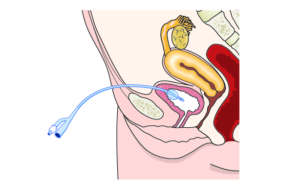
Invasive placement of a silicone tube in a percutaneous supra-pubic puncture site. This is secured inside the bladder (with a balloon) and attached to a drainage bag on the outside, in order to drain an obstructed bladder.

Why is it done?

  • This can be placed as an emergency for patients in acute urinary retention
  • Patients requiring long term catheterization especially spinal cord injury patients
  • Failed urethral catheterization
  • Severe prostate obstruction
  • Urethral strictures
  • Severe sepsis of the urogenital area where diverting urine away from the area is advisable
  • Urethral catheterization impossible


How is it done?

  • Usually done under general anesthesia.
  • This is done as a sterile procedure; therefore, the genital area and suprapubic area will be cleaned with a non-abrasive dis-infectant.
  • A flexible cystoscopy will be placed to inspect the bladder, allow filling with saline and visualize the puncture with a cannula from the skin (outside)
  • A 1cm incision is then made in the midline of the lower abdomen, approximately 2cm above the pubic bone
  • An appropriate size catheter (14-16Fr) will be inserted using a trocar method
  • Correct placement is confirmed with the cystoscopy (direct vision)
  • An anchoring balloon will be inflated with 10cc of sterile water.
  • A drainage urine bag will be attached
  • The catheter will be secured to your leg. (check that this is always secured)


Complications

  • Side effects from a general anesthetic.
  • Bleeding from the wound site. (Anti-coagulants should have been ceased a week prior)
  • Depending on the size of your bladder a possible bowel injury could occur, the odds of this happing will be discussed with you prior to your procedure.


Download Information Sheet

Wes Catheters Suprapubic Catheter CHANGE

Copyright 2019 Dr Jo Schoeman

Testis Biopsy or Semen Aspiration

Trans cutaneous or open biopsy or aspiration of testis or epididymis as part of an infertility harvesting of sperm cells


Why is it done?

  • To aspirate or biopsy testicular tissue for assisted fertility procedures/

Pre-requirements

  • An informed consent is required from the patient.
  • The aspiration is usually done under local anaesthetic.
  • Patients allergic to IODINE/CHLORHEXIDINE should clearly state this to theatre staff and Dr Schoeman.

How is it done?

  • This procedure is performed under local anaesthetic.
  • Sterile preparation of the scrotum.
  • A syringe with a needle attached is placed into the epididymis or testis.
  • The affected testis and vas deference is then extracted through this incision.
  • A dressing is then applied, which should be removed after 72 hours.
  • No strenuous movements are permitted for at least 14 days.

NB! You are required to bring 2 pairs of tight new undies for post-operative scrotal support.

What to expect after the procedure?

  • A haematoma (blood collection under the skin or in the scrotal cavity) may form and needs to be reviewed by Dr Schoeman as soon as possible. This may require drainage. Bruising is normal.
  • An infection of the wound can occur and requires immediate attention.
  • Owing to the nature of the surgery and the soft skin of the scrotum, bruising may appear to be much worse than it actually is and is no cause for alarm.
  • DANGER SIGNS: A scrotum that swells immediately to size of a football, fever, puss. Contact Dr Schoeman or the hospital immediately as this may occur in up to 15% of all cases.

What next?

  • The In-Vitro procedure will be done in collaboration with an Infertility Clinic.
  • On discharge a prescription may be issued for patients to collect.
  • Please direct all further queries to Dr Schoeman’s rooms.
  • PLEASE CONTACT THE HOSPITAL DIRECT WITH ANY POST OPERATIVE CONCERNS AND RETURN TO THE HOSPITAL IMMEDIATELY SHOULD THERE BE ANY SIGNS OF SEPSIS.

Download Information Sheet

Wes Testis Biopsy Aspiration TESE

Trans Perineal Ultrasound Guided Placement of Fudicial Markers and placement of a Barrier Gel (Barrigel or SPACEOAR)

You would have received a diagnosis of prostate cancer and radiation therapy would have been discussed as the most appropriate treatment for the stage and specifics of your cancer.

Why is it done?

  • This is the placement of gold seed markers in the prostate to assist with radiation. This is to identify the edges of the prostate as it shrinks with hormonal therapy and the effects of radiation therapy
  • A barrier gel is injected between the prostate and rectum to protect the rectum against radiation effects.
  • It is done as an overnight procedure. You are required to remain starved 6-8 hours prior to the procedure.
  • You would have had a diagnosis of locally advanced prostate cancer with no metastatic disease being present. The seed placement assists in localizing the prostate borders during radiation.


How is it done?

  • This procedure: is done under GA as a day procedure and takes approximately 30min (incl anesthetic time)
  • It is performed with the patient lying on your back with legs in lithotomy
  • Antibiotics are given on the table prior to the procedure
  • Seeds and gel are placed thorough the perineal skin with ultrasound guidance


Complications

Side–effects

  • Hematuria (blood in urine) 2-3days
  • Hematospermia (blood in ejaculate) will become less the more often you ejaculate.
  • Bacteraemia (infection) with low-grade fever and feeling unwell
  • Sepsis with high-grade fever, cold shivers, rigours REQUIRES URGENT ATTENTION


Download Information Sheet

Wes TPUS Placement SpaceOAR Barrigel

Copyright 2019 Dr Jo Schoeman

i-TIND – Temporary Prostatic Stent

Why is this done?

  • This procedure is performed when the prostate gland is causing LUTS and you want an alternative to medication without the complications of a permanent procedure.
  • Ejaculation sparing
  • Symptoms include:
    • a weak stream,
    • nightly urination,
    • frequent urination,
    • inability to urinate,
    • kidney failure due to the obstruction,
    • bladder stones,
    • recurrent bladder infections.
  • Medication such as Flomaxtra, Urorec Minipress etc.  should always be given as a first resort.
  • Duodart should not be prescribed for a man wishing to preserve sexual function.
  • This is alternative to medication where ejaculatory function is to be preserved.
  • Prostate cancer first needs to be ruled out by doing a PSA, and when indicated, with a 3T MRI scan of the prostate with an abnormal PSA with a possible prostate biopsy of any suspicious lesions.
  • Prostate sizes up to 80-90 cc even midlobes are acceptable.

How is it done?

  • Patients will receive a general anesthesia, unless contra-indicated.
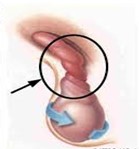
  • A cystoscopy is performed by placing a camera in the urethra with the help of a lubricant jelly and an irrigant (fluid).
  • The inside of the bladder is viewed for pathology. If any suspicious lesions are seen, a biopsy will be taken.
  • The device is placed through the cystoscopy sheath.
  • A string will be left hanging out
  • Prophylactic antibiotics will be given to prevent any infections.


Prophylaxis

  • Prophylactic antibiotics.
  • Cease all anti-coagulants i.e.: Warfarin and Aspirin 7-10 days prior to surgery.
  • A script for Clexane 40mg daily subcutaneously will be provided to be commenced 7 days before biopsy when you Warfarin is ceased.

What to expect afterwards

  • Any anesthesia has its risks, and the anesthetist will explain this to you.
  • You may in extreme cases experience some blood loss.
  • You will have a string hanging out from your urethra for 5-7 days
  • Don’t pull on the string
  • Lower abdominal discomfort for a few days
  • Could have an inflammatory response requiring antibiotics.
  • Discomfort in urination and frequency and urgency while the stent is in.
  • You will be needed to return a week later for another day procedure under sedation for the removal of the stent
  • A trial of void to confirm good urination
  • Allow for 6 weeks for stabilization of symptoms thereafter.
  • There may be some blood in your urine for up to 4 weeks post op. You can remedy this by drinking plenty of fluids until it clears.
  • A follow-up appointment will be scheduled for 6 weeks.
  • DON’T SUFFER IN SILENCE, OR YOU WILL SUFFER ALONE!


Complications

  • Hematuria (blood in urine) 2-3days.
  • Ejaculation will not be affected thus preserving sexual function
  • Infertility should not be an issue as there is no retrograde ejaculation. Don’t do it if you still want children.
  • No Stress incontinence especially in the elderly and the diabetic patients
  • May experience a slower stream initially due to swelling
  • Some urgency symptoms for 6 weeks
  • Possible infection.
  • Further enlargement of prostate lobes within 3-5 years requiring a repeat procedure.
  • NB! Each person is unique and for this reason symptoms vary!


ANY FEVER OR RIGORS REQUIRES URGENT ATTENTION

Download Information Sheet

Wes iTIND Therapy

Trans Perineal Ultrasound Guided Placement of Fiducial Markers

You would have received a diagnosis of Prostate Cancer and Radiation Therapy would have been discussed as the most appropriate treatment for the stage and specifics of your cancer.


Why is it done?

  • This is the placement of gold seed markers in the prostate to assist with radiation. This is to identify the edges of the prostate as it shrinks with Hormonal Therapy and the effects of Radiation Therapy
  • It is done as a day surgery procedure. You are required to remain starved 6-8 hours prior to the procedure.
  • You would have had a diagnosis of locally advanced prostate cancer with no metastatic disease is present. The seed placement assists in localizing the prostate borders during radiation.


How is it done?

  • This procedure is done under GA as a day procedure and takes approximately 20min (incl anesthetic time)
  • Lithotomy position
  • Rectal ultrasound placed
  • With ultrasound guidance 3 Gold fiducial markers are placed in the prostate. Usually right base, right apex and left mid


Complications

Side–effects

  • Hematuria (blood in urine) 2-3days
  • Hematospermia (blood in ejaculate) will become less the more often you ejaculate.
  • < -0.5% risk of infection

ANY FEVERS REQUIRES URGENT ATTENTION


Download Information Sheet

Wes TPUS Placement SpaceOAR Barrigel


Copyright 2019 Dr Jo Schoeman