The Story Behind The “Happy Prostate”
More than a logo
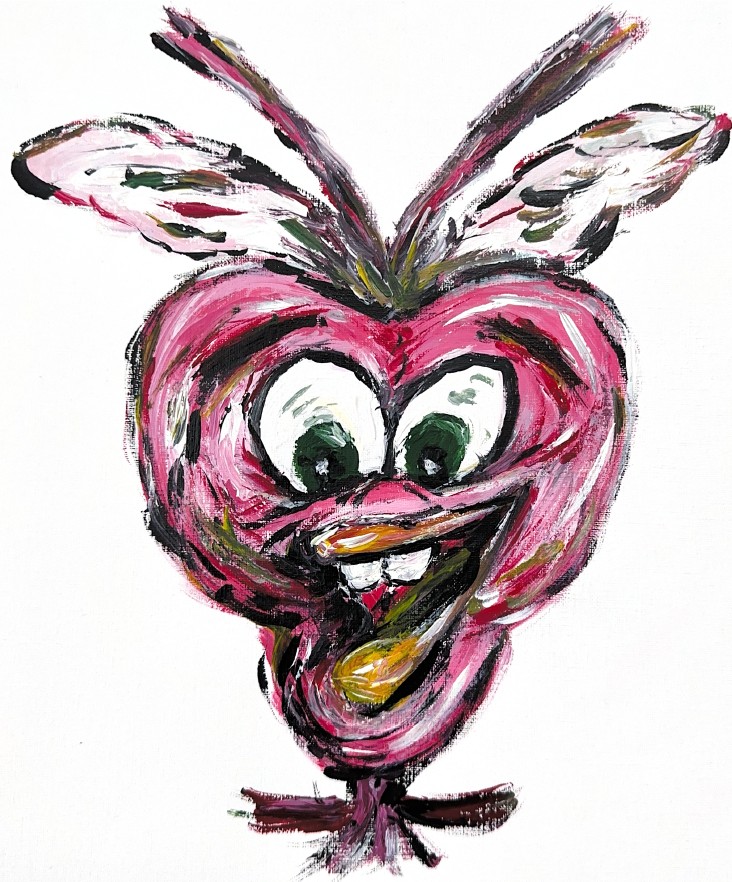
The Happy Prostate is not simply a practice logo. It began as an original artwork that I painted myself, and it now hangs in my study at home.
Its cheerful expression reflects what I hope to achieve when caring for men with prostate and urinary problems: less worry, better understanding, improved bladder function and renewed confidence.
The prostate may be a small gland, but when it misbehaves, it can have an enormous effect on daily life. It can interrupt sleep, dictate travel plans, interfere with intimacy and leave a man constantly searching for the nearest toilet.
The Happy Prostate represents the other side of that story the moment when a man feels that he has regained control of his life. Having had prostate surgery myself, I am on the same page as my patients, I get you. And no, I did not do it myself!
When a growing prostate becomes a grumpy prostate
Benign prostatic hyperplasia, or BPH, is the non-cancerous enlargement of the prostate that commonly develops as men age.
An enlarged prostate may compress the urinary passage and cause:
- A slow or interrupted urinary stream
- Difficulty starting urination
- Straining to pass urine
- A feeling that the bladder has not emptied
- Urgency and frequent urination
- Getting up repeatedly during the night
- Urinary retention or recurrent infections
Not every enlarged prostate needs surgery. Treatment begins with understanding the symptoms, examining the prostate and assessing bladder emptying, urinary flow, PSA and other relevant factors.
When a procedure is needed, there is no single operation that suits every man. Modern BPH treatment can be tailored according to prostate size and shape, symptom severity, bladder function, general health and the importance of preserving ejaculation.
Steam
Water-vapour therapy delivers small amounts of controlled steam into selected areas of enlarged prostate tissue. The treated tissue gradually shrinks, creating more room for urine to pass.
It may suit selected men looking for a minimally invasive option with a relatively low risk of sexual side effects. Improvement develops gradually rather than overnight.
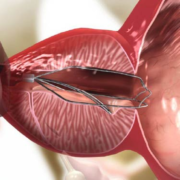
Clips or a prostatic urethral lift
Tiny implants can be used to hold enlarged prostate tissue away from the urinary channel. Nothing is cut away.
This approach may offer a rapid recovery and a good chance of preserving ejaculation in appropriately selected men. Prostate anatomy is important, and some men may require further treatment later.
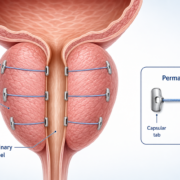
Temporary prostate stents or implants
A temporary implant can reshape the prostatic urethra without leaving a permanent device behind. It is usually removed after several days.
This can be useful for carefully selected prostates, although symptom improvement and long-term durability may not equal those achieved with more definitive tissue-removing procedures.
Laser treatment
Laser surgery can vaporise or enucleate obstructing prostate tissue. The technique selected depends on prostate size, anatomy, bleeding risk and the available equipment and expertise.
Laser treatment can provide powerful relief of obstruction, but temporary urgency, burning, bleeding and changes in ejaculation may occur during recovery.
Bipolar energy
Bipolar electrical energy can remove or enucleate enlarged prostate tissue while controlling bleeding. Bipolar TURP remains an established surgical option for many men with bothersome urinary obstruction.
Robotic-assisted enucleation
Very large prostates may be treated by robotic-assisted simple prostatectomy or enucleation. The obstructing inner portion of the prostate is removed while the outer capsule remains.
This is a more substantial procedure than a minimally invasive treatment, but it can provide excellent relief when a very large prostate is causing severe obstruction, retention, infections, bladder stones or kidney problems.
The right procedure is not necessarily the newest or the biggest. It is the procedure that best matches the individual man and his priorities. Current guidelines emphasise shared decision-making because treatments differ in effectiveness, recovery, durability and effects on sexual function. (EAU Male LUTS guideline)
When the diagnosis is prostate cancer
The words “prostate cancer” naturally produce fear, but prostate cancer is not one uniform disease. Some cancers grow so slowly that immediate treatment may cause more harm than benefit. Others require timely and decisive treatment.
The goal is to understand the cancer accurately and choose a strategy that balances cancer control with urinary, sexual and general health.
Active surveillance
For appropriately selected men with low-risk—and some favourable intermediate-risk—prostate cancer, active surveillance can avoid or delay unnecessary treatment.
It does not mean ignoring the cancer. It is a structured programme that may include:
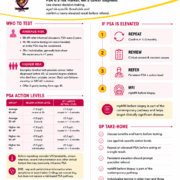
- Regular PSA testing
- Clinical review
- Prostate MRI
- Repeat biopsy when indicated
- Conversion to active treatment if there are signs of progression
The aim is to preserve quality of life while retaining the opportunity for curative treatment if the cancer changes. (EAU Prostate Cancer guideline)
Robotic-assisted radical prostatectomy
Robotic-assisted radical prostatectomy removes the prostate and seminal vesicles with the intention of curing localised prostate cancer.
Where it is oncologically safe, nerve-sparing and careful reconstruction may help preserve erectile function and accelerate recovery of urinary control. Cancer clearance remains the first priority, and continence and sexual outcomes vary between men.
Focal therapy
Focal therapy treats the cancerous area while attempting to preserve as much normal prostate tissue as possible. Techniques may include irreversible electroporation, focal laser ablation, high-intensity focused ultrasound or cryotherapy.
It may be considered for carefully selected men with localised, MRI-visible disease who understand the need for close follow-up. Focal therapy is not suitable for every prostate cancer, and long-term comparative evidence continues to develop. Some international guidelines recommend that it be performed within structured prospective studies or registries.
When continence is preserved, improved or restored
Urinary continence is one of the most important themes represented by the Happy Prostate.
Whenever possible, treatment planning aims to preserve continence. This involves careful patient selection, thoughtful surgical technique, protection of the urinary sphincter and appropriate pelvic-floor preparation and rehabilitation.
When leakage occurs, it should never be dismissed as something a man must simply tolerate. Assessment may include a bladder diary, pad testing, urine-flow measurement, ultrasound, cystoscopy or urodynamic studies. This helps distinguish weakness of the urinary sphincter from urgency, overactive bladder, obstruction or poor bladder emptying.
Depending on the cause, continence may be improved or restored through:
- Pelvic-floor rehabilitation
- Bladder training and lifestyle measures
- Medication for urgency or overactive bladder
- Treatment of residual obstruction
- A male urethral sling
- An artificial urinary sphincter
- Other carefully selected continence procedures
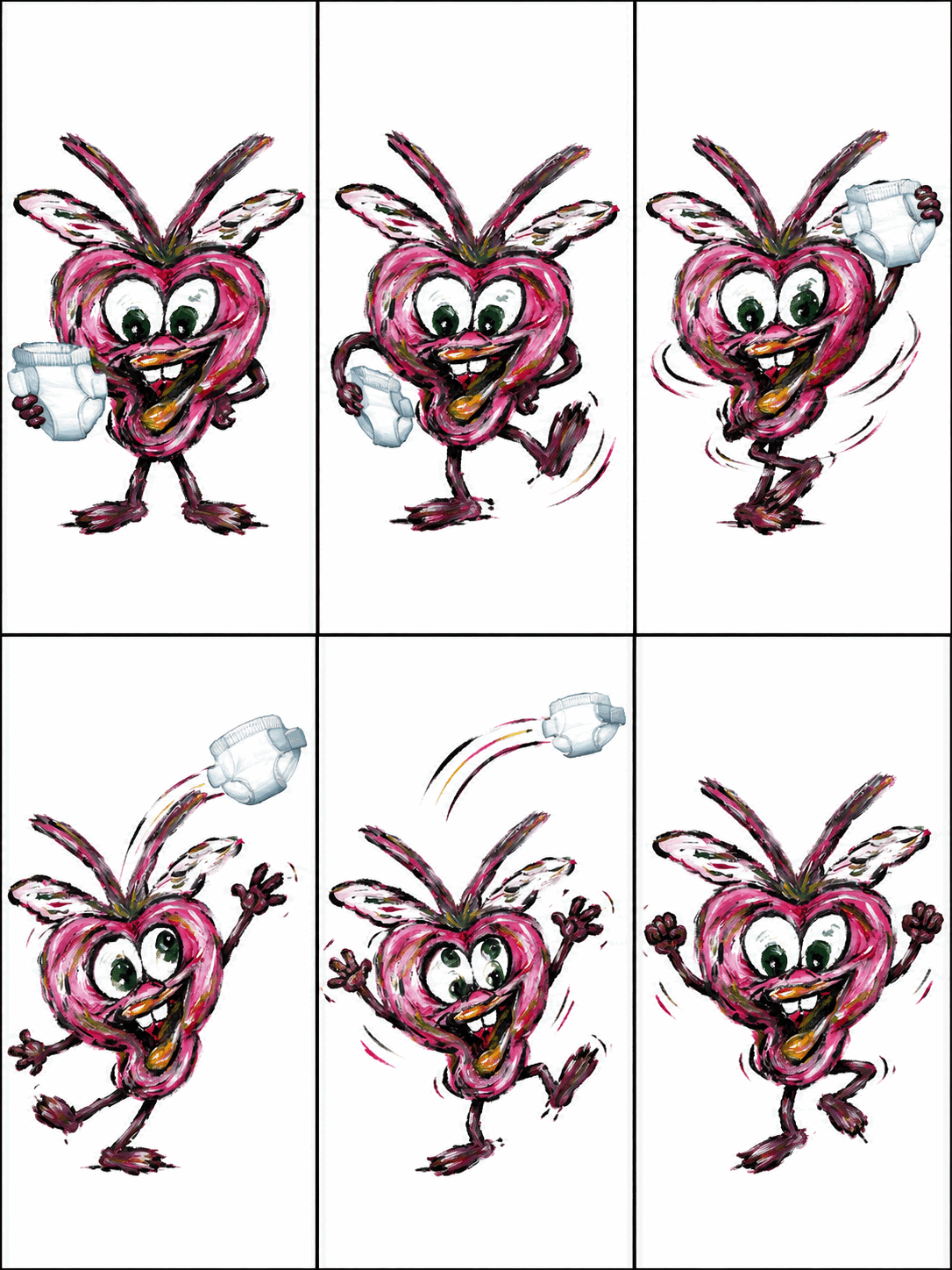
The joyful progression shown in the Happy Prostate GIF represents this recovery: uncertainty giving way to hope, improvement and confidence. As urinary control returns, the character stands taller, moves with greater freedom and finally throws away his diaper.
The humour is intentional, but so is the dignity behind it. Incontinence can affect work, exercise, travel, intimacy and self-esteem. Restoring continence is not merely about keeping underwear dry, it is about helping a man feel comfortable in the world again.
As I like to put it:
When treatment works, the bladder stops writing the day’s itinerary and the diaper can take the day off.
A small painting with a larger purpose
The original Happy Prostate painting hanging in my home study reminds me that urology is not only about scans, PSA results, flow rates and surgical technology. It is about the man sitting on the other side of the desk.
A prostate becomes truly “happy” when its owner:
- Understands what is happening
- Feels comfortable discussing embarrassing symptoms
- Has treatment suited to his individual circumstances
- Maintains or regains urinary control
- Can return to sleep, exercise, travel and intimacy with confidence
- Feels that he has been heard and treated with dignity
A little humour can open the door, but dignity keeps the conversation going.
That is the story of the Happy Prostate: an original painting, a slightly cheeky character and a serious commitment to helping men regain comfort, confidence and joy.
Dr Jo Schoeman
The “Happy-Prostate” Urologist
This article provides general information and does not replace an individual medical assessment. The suitability, benefits and potential complications of each treatment should be discussed with a urologist.




Leave a Reply
Want to join the discussion?Feel free to contribute!