

Urge Incontinence After Sling Surgery: Why Timing Matters
A sling procedure is designed to treat stress urinary incontinence, leakage with coughing, laughing, exercising or lifting. It supports the urethra so that it remains closed when abdominal pressure rises.
A sling does not directly treat an overactive bladder. Some women notice that pre-existing urgency improves after surgery, while others continue to experience urgency or develop new symptoms. When urgency begins soon after surgery, the possible causes differ from those arising several years later.
The most important message is that urgency after a sling is a symptom, not a diagnosis. Treatment should be directed at the cause rather than automatically prescribing bladder medication.
What is urge urinary incontinence?
Urinary urgency is a sudden, compelling need to pass urine that is difficult to defer. When urine leaks before reaching the toilet, this is called urgency urinary incontinence.
Other overactive bladder symptoms may include:
- Frequent urination during the day
- Waking at night to urinate
- “Key-in-the-door” urgency
- Leakage while rushing to the toilet
- Bladder spasms
- Leakage without coughing or physical exertion
This differs from recurrent stress incontinence, where leakage occurs with coughing, sneezing, exercise or lifting. Some women experience both types, known as mixed urinary incontinence.
How common is urgency after a sling?
The reported frequency varies because studies use different definitions, sling types and follow-up periods.
A systematic review of 32 studies involving 3,139 women estimated that new overactive bladder symptoms occur in approximately 9% of women after a mid-urethral sling. Rates were broadly similar among retropubic, transobturator and single-incision slings.[1]
Women who had urgency or urgency incontinence before surgery have a greater chance of persistent symptoms afterwards. Published studies have reported persistent overactive bladder symptoms in approximately 30–40% of women with preoperative mixed incontinence, although estimates vary considerably.[2,3]
These figures should be interpreted carefully. Urgency occurring soon after an operation may be temporary, whereas symptoms developing years later may reflect ageing, menopause, infection or an unrelated bladder disorder rather than a direct surgical complication.
Urgency in the early postoperative period
Urgency during the first days or weeks after sling surgery is relatively common and does not necessarily mean that the sling has failed.
Possible early causes
1. Temporary irritation and inflammation
Anaesthesia, catheterisation, cystoscopy, postoperative swelling and manipulation around the urethra can temporarily irritate the bladder. Pain, constipation, reduced mobility and changes in fluid intake may contribute.
These symptoms often settle as postoperative inflammation resolves.
2. Urinary tract infection
A urinary infection can cause urgency, frequency, burning, bladder discomfort, cloudy urine and urge leakage. Infection should be considered particularly after catheterisation or difficulty emptying the bladder.
A urine culture is preferable when symptoms are significant, recurrent or atypical. Antibiotics should be selected according to the clinical circumstances and culture result rather than given indefinitely for unexplained urgency.
3. Incomplete bladder emptying
Postoperative pain, swelling, pelvic-floor guarding, medication or temporary bladder weakness can make urination difficult. Retained urine may produce frequency, urgency, overflow leakage or recurrent infection.
Symptoms can include:
- A slow or interrupted stream
- Hesitancy
- Straining to urinate
- A feeling of incomplete emptying
- Passing small amounts frequently
- Lower abdominal fullness
- Inability to pass urine
A bladder scan measuring the post-void residual volume is an important early test.
4. Excessive outlet resistance from the sling
A sling should support the urethra without obstructing it. Occasionally, it produces too much resistance. Obstruction may present dramatically as retention, but it may also cause subtle symptoms such as a slow stream, urgency, recurrent infections or worsening urge incontinence.
When genuinely new urgency begins immediately after surgery particularly when accompanied by deterioration in urine flow or a raised residual volume, bladder outlet obstruction must be actively considered.[2,4]
There is no single test that perfectly proves or excludes female bladder outlet obstruction. The diagnosis depends on the timing of symptoms, examination, urine flow, residual volume and, in selected patients, pressure-flow urodynamics.
5. Bladder or urethral perforation or sling exposure
Unrecognised urinary-tract injury is uncommon but important. A sling or suture entering the bladder or urethra may cause urgency, pain, bleeding, recurrent infection or difficulty urinating.
Cystoscopy may be recommended when symptoms are severe or persistent, or when there is haematuria, recurrent infection, pelvic pain or suspicion of erosion.
6. Pre-existing overactive bladder
Some women had urgency before surgery but were understandably more concerned about stress leakage. Once the stress incontinence has improved, the remaining urgency may become more noticeable.
A sling may improve the stress component of mixed incontinence without curing the underlying overactive bladder.
How should early postoperative urgency be assessed?
Assessment may include:
- A detailed comparison of symptoms before and after surgery
- The precise timing of symptom onset
- Urinalysis and urine culture
- Examination for prolapse, vaginal healing, sling exposure and pelvic-floor tenderness
- Measurement of urinary flow and post-void residual urine
- A bladder diary
- Cystoscopy when erosion, perforation, bleeding or recurrent infection is suspected
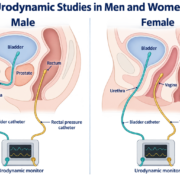
- Urodynamic testing when the diagnosis remains uncertain or a further invasive procedure is being considered
The type of sling and its operative details should be reviewed whenever possible.
Management of early urgency
Treatment depends on the findings.
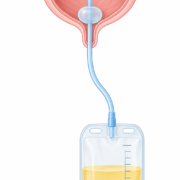
If there is infection, constipation, pain or temporary inflammation, these conditions should be treated first. Short-term catheterisation or intermittent self-catheterisation may be required when the bladder is not emptying safely.
When emptying is normal and no surgical complication is evident, a period of observation, bladder training and appropriately selected overactive bladder medication may be reasonable.
However, significant suspected obstruction should not simply be masked with bladder-relaxing medication. Antimuscarinic medication can aggravate incomplete emptying in susceptible patients.
If there is convincing evidence that the sling is too tight, early sling mobilisation, loosening, incision or division may be considered. The procedure and its timing must be individualised. Earlier mobilisation may be technically easier before dense scarring develops, but unnecessary sling division may cause recurrent stress incontinence.
Published expert reviews emphasise balancing two risks:
- Waiting too long when meaningful obstruction is present may lead to persistent urgency, infection and impaired bladder function.
- Releasing a functioning sling unnecessarily may restore stress leakage.[2,4,5]
Urgency developing months or years after sling surgery
Urgency appearing years later should not automatically be blamed on the sling. A direct sling-related problem remains possible, but other causes become increasingly important.
Possible delayed causes
Age-related overactive bladder
Overactive bladder becomes more common with age. Changes in bladder sensation, detrusor function, mobility, sleep, fluid regulation and neurological health can produce urgency independently of previous surgery.
Menopause and genitourinary syndrome of menopause
Reduced oestrogen levels may contribute to vaginal and urethral tissue changes, discomfort, recurrent infection and urinary urgency. Selected postmenopausal women may benefit from local vaginal oestrogen, provided there is no contraindication and the treatment is discussed with their doctor.
Recurrent urinary infection
Repeated urgency episodes associated with pain, dysuria or cloudy urine require appropriate cultures. Persistent symptoms with repeatedly negative cultures should prompt consideration of overactive bladder, pelvic-floor dysfunction, bladder pain syndrome, stones or sling-related complications rather than repeated empirical antibiotics.
Pelvic organ prolapse
A cystocele or other vaginal prolapse may alter bladder emptying and cause urgency, frequency or infection. Examination is important, particularly when there is a vaginal bulge, pressure or difficulty emptying.
Delayed obstruction or scarring
Progressive scarring around the urethra or sling can occasionally produce delayed voiding difficulty. Comparing the present urinary stream and residual volume with earlier results can be informative.
Vaginal, urethral or bladder erosion
Delayed sling exposure or erosion may present with vaginal discharge, bleeding, pain during intercourse, pelvic pain, recurrent infections, haematuria or urgency. Cystoscopy and vaginal examination are usually required when this is suspected.
Other bladder or neurological disease
Diabetes, neurological disorders, impaired mobility, diuretic medication, excessive fluid intake, bladder stones and, less commonly, bladder tumours can produce urgency. Visible blood in the urine should never be attributed to overactive bladder without appropriate investigation.
Investigating delayed urgency
A sensible assessment commonly includes:
- Review of preoperative and postoperative symptoms
- Urinalysis and urine culture
- A three-day bladder diary
- Examination for vaginal atrophy, prolapse, pelvic-floor dysfunction and sling exposure
- Urinary flow rate and post-void residual measurement
- Review of medications, fluid intake, caffeine and bowel function
- Cystoscopy when there is haematuria, pain, recurrent infection or suspected erosion
- Urodynamic studies when symptoms are complex, emptying is abnormal, previous treatment has failed or further surgery is contemplated
Urodynamics may demonstrate detrusor overactivity, impaired bladder contraction or a pressure-flow pattern suggesting outlet obstruction. A normal study does not invalidate genuine urgency, and urodynamics cannot always determine whether the sling is the cause.
Treatment when obstruction and sling complications have been excluded
When evaluation supports overactive bladder rather than a mechanical complication, management generally follows established overactive bladder principles.[6–8]
Lifestyle and bladder strategies
Options include:
- Reducing excessive fluid intake
- Moderating caffeine, alcohol and carbonated drinks
- Treating constipation
- Weight management where appropriate
- Bladder training with gradually increasing voiding intervals
- Urgency-suppression techniques
- Pelvic-floor physiotherapy
- Improving access to the toilet and managing mobility limitations
Pelvic-floor treatment should focus on both strength and relaxation. Continually “squeezing harder” may worsen symptoms in women with an overactive or painful pelvic floor.
Medication
Medication options include:
Antimuscarinic medicines
Examples include solifenacin, oxybutynin, tolterodine and darifenacin. Possible adverse effects include dry mouth, constipation, blurred vision and cognitive effects. Medication selection should consider age, other medicines, glaucoma, bowel function and the ability to empty the bladder.
Beta-3 adrenergic agonists
Mirabegron relaxes the bladder during storage and may cause fewer dry-mouth and constipation symptoms than antimuscarinic therapy. Blood pressure and drug interactions require consideration.
Combination treatment may help selected patients who have an inadequate response to one medication. Residual urine should be monitored when there is concern about impaired emptying.
Vaginal oestrogen
Local vaginal oestrogen may be appropriate for postmenopausal women with vaginal atrophy, recurrent infection or associated urinary symptoms. It is different from systemic hormone replacement and should be prescribed after individual assessment.
Percutaneous tibial nerve stimulation
Tibial nerve stimulation uses electrical stimulation near the ankle to influence the neural pathways controlling the bladder. It is minimally invasive but usually requires a course of repeated treatment sessions and sometimes maintenance therapy.
Intravesical botulinum toxin
Botulinum toxin can reduce involuntary bladder contractions and urgency incontinence. Potential complications include urinary infection and difficulty emptying the bladder. Patients should understand that temporary intermittent self-catheterisation may occasionally be required.
Sacral neuromodulation
Sacral neuromodulation modifies the nerve signals involved in bladder storage and emptying. It may be considered for persistent urgency and urgency incontinence that have not responded adequately to conservative or medication-based treatment.
A test phase is normally performed before permanent implantation. It can be effective after previous continence surgery, provided that infection, significant obstruction and sling erosion have first been addressed.
When is sling revision appropriate years later?
Sling incision, partial excision or more extensive removal may be appropriate when there is evidence of:
- Clinically important bladder outlet obstruction
- Urethral or bladder erosion
- Symptomatic vaginal exposure
- Persistent infection associated with the sling
- Significant sling-related pain
- A clear relationship between the sling and disabling urinary symptoms
Sling revision is not a reliable treatment for otherwise unexplained overactive bladder. Urgency may persist after revision, particularly when it is caused by detrusor overactivity, ageing or another bladder disorder.
Possible consequences of sling revision include:
- Recurrent stress urinary incontinence
- Bleeding or infection
- Urethral or bladder injury
- Persistent pain or urgency
- Need for further continence treatment
Shared decision-making is therefore essential.
The role of sling release and urethrolysis
When urgency or urge incontinence follows sling surgery, an important question is whether the sling has created excessive resistance to bladder emptying. If meaningful obstruction is present, treating the bladder alone may not solve the underlying problem.
Sling release is not routinely recommended for isolated urgency when urinary flow and bladder emptying are normal. It is most useful when the history, examination and investigations suggest that the urethra is being mechanically obstructed.
When should sling-related obstruction be suspected?
Features that may indicate excessive sling tension or postoperative scarring include:
- New difficulty passing urine after surgery
- Complete or intermittent urinary retention
- A urinary stream that became slower after the sling
- Hesitancy, straining or an interrupted stream
- A persistent feeling of incomplete emptying
- An increased post-void residual volume
- Recurrent urinary infections
- New urgency or urgency incontinence associated with impaired emptying
- Worsening bladder function that began soon after surgery
- A pressure-flow study suggesting bladder outlet obstruction
- Cystoscopic or examination findings suggesting sling erosion, distortion or excessive urethral elevation
Women do not need to be in complete retention to have clinically important obstruction. Some can empty the bladder by generating higher bladder pressures or straining, but may develop urgency, frequency, infections and progressive bladder dysfunction.
There is no universally accepted urodynamic definition of female bladder outlet obstruction. A normal or equivocal urodynamic study does not completely exclude it. The diagnosis therefore combines the timing of symptoms, changes in urinary flow, residual urine, examination findings and, when useful, cystoscopy and pressure-flow urodynamics.[5,10]
Sling mobilisation or loosening
When voiding difficulty is recognised soon after a mid-urethral sling procedure, the sling may sometimes be mobilised or loosened before dense scar tissue forms around it.
Through a small vaginal incision, the surgeon identifies the sling and gently pulls it away from the urethra to reduce its tension. The sling is usually preserved rather than cut.
Early mobilisation may:
- Restore bladder emptying
- Relieve excessive outlet resistance
- Reduce the need for prolonged catheterisation
- Preserve more of the original stress-incontinence benefit than complete sling division
Temporary catheterisation remains appropriate for mild early retention that is improving. However, prolonged observation may be undesirable when significant obstruction persists, particularly when repeated voiding trials fail or the patient remains dependent on catheterisation.
The IUGA committee opinion notes that early sling mobilisation often resolves postoperative voiding dysfunction with relatively low morbidity. The exact timing should be individualised rather than dictated by one fixed number of days.[5]
Sling incision or division
If mobilisation is not possible or is unsuccessful, the sling may be cut through a vaginal incision. This is known as sling incision, division or lysis.
It may be considered when there is:
- Persistent retention
- A consistently elevated residual volume
- Marked deterioration in urinary flow
- Recurrent infection associated with poor emptying
- New urgency or urge incontinence strongly associated with obstruction
- Persistent obstructive symptoms despite an initial period of conservative management
Dividing the sling reduces its compression on the urethra. Urinary flow and emptying often improve, but urgency does not always disappear immediately. A bladder that has worked against obstruction may take time to recover, and some women have coexisting detrusor overactivity requiring additional treatment.
The principal trade-off is recurrent stress urinary incontinence. The risk varies between studies and depends on the type of sling, the location and extent of the incision, the time since implantation and the patient’s underlying urethral function. This possibility should be discussed before surgery.
Partial sling excision
Partial excision removes the central vaginal portion of the sling beneath or adjacent to the urethra. It may be appropriate when simple division is inadequate or when there is:
- Vaginal sling exposure
- Localised pain or tenderness
- Infection involving the sling
- Urethral or bladder erosion
- Dense scarring around the urethra
- Persistent obstruction after a previous sling incision
Removing more sling material may provide greater decompression but can also increase the risk of recurrent stress leakage and operative injury.
What is formal urethrolysis?
Urethrolysis is a more extensive operation that frees the urethra and bladder neck from surrounding scar tissue or restrictive sling material.
It is generally reserved for established or complex obstruction, particularly when:
- Symptoms have been present for months or years
- Dense fibrosis has developed
- Previous sling incision or partial excision has failed
- The original operation involved an autologous fascial or bladder-neck sling
- The urethra remains fixed, elevated or compressed
- Multiple previous continence procedures have been performed
The operation may be performed through a vaginal, retropubic or combined approach, depending on the original procedure and the location of the scar tissue. The aim is to restore urethral mobility and reduce outlet resistance while avoiding injury to the urethra and bladder.[10]
Formal urethrolysis is now required less often after uncomplicated mid-urethral slings because many cases can be managed with early mobilisation, sling division or partial excision. It remains valuable in delayed, recurrent or anatomically complex obstruction.
Will sling release cure the urgency?
Not necessarily.
Urgency is most likely to improve when:
- It began soon after sling placement
- It was accompanied by a weaker urinary stream
- Residual urine increased after surgery
- There is persuasive clinical or urodynamic evidence of obstruction
- The obstruction is relieved before permanent bladder changes develop
Urgency may persist when it was present before surgery or when it is primarily caused by:
- Idiopathic overactive bladder
- Age-related bladder change
- Detrusor overactivity
- Menopause or genitourinary syndrome of menopause
- Recurrent infection
- Pelvic-floor dysfunction
- Neurological disease
- Diabetes or another medical condition
Sling release should therefore not be presented as a guaranteed treatment for urgency. Some patients require subsequent bladder training, medication, botulinum toxin, tibial nerve stimulation or sacral neuromodulation even after obstruction has been corrected.
Risks of sling release or urethrolysis
Potential complications include:
- Recurrent stress urinary incontinence
- Persistent urgency or urge incontinence
- Bleeding or infection
- Injury to the urethra or bladder
- Urethrovaginal fistula, although uncommon
- Ongoing pain or scarring
- Continued difficulty emptying
- Need for further continence surgery
One comparative series reported new stress incontinence in approximately one-quarter of women following urethrolysis or partial sling excision without simultaneous placement of another sling. This figure should not be treated as a universal prediction because outcomes vary with the original operation, indication and surgical technique.[11]
Placing another continence procedure at the same time as urethrolysis is controversial. In many cases it is preferable to relieve the obstruction first, allow bladder function to stabilise and then reassess any recurrent stress incontinence. This avoids immediately replacing one potentially obstructive procedure with another, although management must be individualised.
Why timely recognition matters
Persistent outlet obstruction can contribute to recurrent infections, detrusor overactivity, impaired bladder contraction and potentially irreversible bladder dysfunction. Conversely, releasing a sling without convincing evidence of obstruction can unnecessarily restore stress leakage.
The decision should therefore be based on the complete clinical picture and shared decision-making—not urgency alone.
When should you seek urgent medical attention?
Contact your surgeon or seek urgent assessment if you:
- Cannot pass urine
- Develop fever, chills or worsening pelvic pain
- Have heavy vaginal bleeding
- See blood in the urine
- Develop severe lower abdominal swelling or discomfort
- Experience rapidly worsening leakage with difficulty emptying
- Have recurrent infections, vaginal mesh exposure or unexplained discharge
The take-home message
Urge incontinence after sling surgery deserves a structured assessment.
In the early postoperative period, infection, swelling, incomplete emptying and excessive sling-related outlet resistance are particularly important. New urgency accompanied by a weaker stream or increased residual urine should raise concern about obstruction.
When urgency develops years later, ageing, menopause, recurrent infection, prolapse, medication effects and idiopathic overactive bladder become more likely, although delayed obstruction or sling erosion must still be considered.
Once infection, obstruction and sling complications have been excluded, treatment can include bladder training, pelvic-floor physiotherapy, medication, tibial nerve stimulation, bladder botulinum toxin or sacral neuromodulation. Sling revision should be reserved for appropriately selected patients because it may reintroduce stress incontinence and does not guarantee that urgency will resolve.
So, if new urgency symptoms have developed and this is making life miserable for you, come see your local Brisbane urologist, Dr Jo Schoeman for advice.
References
- Pergialiotis V, et al. De novo overactive bladder following midurethral sling procedures: a systematic review and meta-analysis. International Urogynecology Journal. 2017;28:1631–1638. PubMed
- Gomelsky A, et al. Urgency and urgency incontinence following stress urinary incontinence surgery: a review of evaluation and management. Indian Journal of Urology. 2022. Full text
- Shin JH, Choo MS. De novo or resolved urgency and urgency urinary incontinence after midurethral sling operations. Investigative and Clinical Urology. 2019;60:373–379. Full text
- Marcelissen T, Van Kerrebroeck P. Urgency after a sling: review of the management. Current Urology Reports. 2014;15:402. PubMed
- Bazi T, et al. Management of post-midurethral sling voiding dysfunction: IUGA Research and Development Committee opinion. International Urogynecology Journal. 2018;29:23–28. PubMed
- American Urological Association/Society of Urodynamics, Female Pelvic Medicine & Urogenital Reconstruction. Guideline on the Diagnosis and Treatment of Idiopathic Overactive Bladder. 2024. AUA/SUFU guideline
- European Association of Urology. Guidelines on Non-neurogenic Female Lower Urinary Tract Symptoms. EAU guideline
- International Urogynecological Association. Management of mixed urinary incontinence: IUGA Committee Opinion. International Urogynecology Journal. 2024. Full text
- American Urological Association. Stress Urinary Incontinence Guideline. AUA guideline
- Gleich LD, Goldman HB. Urethrolysis. Neurourology and Urodynamics. 2024. Full-text clinical review
- Drain A, et al. Current role of urethrolysis and partial excision in patients seeking revision of anti-incontinence sling. Female Pelvic Medicine & Reconstructive Surgery. 2019;25:362–366. Article
- Pinsard M, et al. Comparison of early loosening versus delayed section of mid-urethral slings in patients with postoperative bladder outlet obstruction. International Urogynecology Journal. 2023. Article
This information is intended for general patient education and does not replace individual medical assessment. Management should be tailored to the type of sling, timing of symptoms, examination findings, bladder emptying and the patient’s priorities.


Leave a Reply
Want to join the discussion?Feel free to contribute!