Tag Archive for: wesley hospital urologist brisbane

Management Options for Benign Prostate Hyperplasia

What is BPH?

Benign Prostate Hyperplasia

(BPH) is a non-cancerous enlargement of the prostate gland that commonly affects men as they age.

As the prostate grows, it can press on the urethra and cause urinary symptoms such as:

  • Frequent or urgent need to urinate
  • Difficulty starting urination
  • Weak urine stream or dribbling
  • Getting up multiple times at night
  • Feeling the bladder hasn’t fully emptied

Watchful Waiting & Lifestyle Changes

Active Monitoring

  • Annual check-ups with your doctor
  • Symptom tracking using validated scores
  • Prostate size monitoring
  • ~79% of patients remain stable over 5 years

Lifestyle Adjustments

  • Reduce fluids before bedtime
  • Limit caffeine and alcohol
  • Avoid decongestants & antihistamines
  • Practice timed voiding
  • Stay active and maintain healthy weight

Medications

Alpha-Blockers

             Fast-acting relief
  • Relax prostate & bladder neck muscles
  • Improve urine flow within days
  • Examples: tamsulosin, alfuzosin
  • May cause dizziness or low blood pressure

5-Alpha Reductase Inhibitors

            Long-term shrinkage
  • Shrink prostate over 6-12 months
  • Best for larger prostates (>40 cc)
  • Examples: finasteride, dutasteride
  • Can be combined with alpha-blockers

PDE5 Inhibitors (Tadalafil)

          Dual benefit
  • Daily low-dose relaxes smooth muscle
  • Also treats erectile dysfunction
  • Newer AUA guidelines support combos
  • Preserves ejaculatory function

Minimally Invasive Procedures

  1. Rezum – Steam Therapy
  2. UroLift – Prostatic Lift
  3. iTIND – Temporary Implant

Surgical Options

  1. TURP
  2. HoLep
  3. Greenlight Vaporization (PVP)
  4. Robotic Simple Prostatectomy

TURP remains the traditional gold standard. HoLEP and RSP offers the best long-term durability, especially for larger prostates.

HoLEP: Lowest retreatment rate (2% at 10 years), works for all prostate sizes. GreenLight: Same-day discharge, safe on blood thinners.

Choosing the Right Treatment

Treatment depends on several individual factors. Discuss these with your doctor:

  1. Symptom severity and how much they bother you
  2. Prostate size (small, medium, or large)
  3. Whether medications have been tried already
  4. Recovery time and return-to-activity goals
  5. Sexual function priorities (ejaculation, erections)

Key Takeaways

  1. BPH is very common and not cancerous — effective treatments are available at every stage
  2. Mild symptoms often improve with simple lifestyle changes and regular monitoring
  3. Medications can significantly reduce symptoms; newer combinations offer added benefits.
  4. Minimally invasive procedures preserve sexual function with quick recovery times.
  5. Surgery provides the most durable results for larger prostates or severe symptoms.

Talk to your  urologist about which option is right for you


How Diet & Lifestyle Can Support Prostate Health

Prostate health: food, movement and informed testing

The prostate is a small gland below the bladder that contributes fluid to semen. It surrounds the first part of the urethra, so changes in the prostate can affect urination. Prostate enlargement, inflammation and cancer are different conditions; urinary symptoms alone cannot tell us which, if any, is present.[1, 2]

A healthy diet and regular activity support overall wellbeing. They may help some people manage weight and cope with treatment, but no food or exercise programme has been shown to guarantee prevention of prostate enlargement or prostate cancer. Similarly, a “check-up” is not the same thing as screening everyone for cancer: the decision to have a PSA blood test should take account of age, individual risk, preferences and the possible harms of testing.[3, 4]

What can affect the prostate?

Benign prostate enlargement (BPH) becomes more common with age. It may cause a weak stream, hesitancy, more frequent urination or waking at night. Similar symptoms can come from bladder conditions, medicines or other causes. Treatment depends on the degree of bother and any complications, and can range from monitoring and practical changes to medicines or a procedure.[1]

Prostatitis describes inflammation of the prostate and has several forms. Pain, urinary symptoms or fever require assessment; diet alone will not diagnose or treat the cause.[1]

Prostate cancer often causes no symptoms in its early stages. Some cancers grow slowly and may never need treatment; others are more aggressive. An abnormal PSA result does not by itself establish a cancer diagnosis.[2, 4]

Is there a “prostate-friendly” diet?

It is reasonable to use this phrase for a varied, balanced eating pattern, but it should not imply that a particular menu protects the prostate. The Australian Dietary Guidelines recommend vegetables, fruit, mostly wholegrain cereals, appropriate protein foods and water as a usual drink, while limiting foods high in added salt and saturated fat.[5] Food choices should also fit a person’s other conditions and cultural preferences.

The foods often promoted for prostate health can fit into that pattern, with important limits to the evidence:

Food What it offers What remains unproven
Tomatoes A vegetable source of lycopene and other nutrients Eating tomatoes or taking lycopene supplements has not been established as a way to prevent or treat prostate cancer.[3, 6]
Broccoli and cauliflower Vegetables that add variety and fibre Laboratory theories about their compounds do not prove that they prevent prostate disease in people.[3]
Salmon and sardines Protein and, in oily fish, omega-3 fats Fish is not a proven prostate cancer treatment or prevention strategy.[3, 5]
Green tea A beverage some people enjoy Antioxidant content does not establish a clinical benefit for prostate cancer; caffeine may aggravate urinary urgency in some people.[3, 7]
Chia and flaxseeds Fibre and unsaturated fats Eating these seeds is not proven to prevent BPH or prostate cancer.[3, 5]

No supplement should be assumed to be beneficial because it is sold as “natural” or “prostate supporting.” The SELECT trial, for example, found increased prostate cancer risk among men assigned vitamin E alone. Discuss supplements with your clinician, particularly if you are receiving treatment or taking medicines.[6]

A practical meal might include vegetables, a wholegrain food and fish, beans, eggs, tofu or another suitable protein. Add fruit or unsalted nuts and seeds according to preference. The value is in the overall pattern, not a particular “superfood.” If cancer treatment is affecting appetite or weight, an accredited practising dietitian can tailor the plan.[5, 8]

Movement, weight and everyday habits

Physical activity helps cardiovascular health, strength, mood and weight management. Australia’s current adult movement recommendations encourage activity on most days, including moderate to vigorous movement for at least 30 minutes on most days, strength activities twice a week, and mobility or balance activities on several days.[9] A walk, cycling, swimming or a manageable strength routine can be a starting point; build gradually if you have been inactive.

Excess body weight is associated with some adverse health outcomes, and Cancer Council Australia reports evidence linking overweight and obesity with prostate cancer risk. That association does not mean that weight loss prevents every prostate cancer, or that a person’s weight explains an individual diagnosis.[3]

For urinary symptoms, it can help to note when and how much you drink, whether caffeine or alcohol worsens urgency, and whether constipation is present. Drinking enough is important, but forcing large volumes can make frequency worse. These measures may ease symptoms for some people; they should not delay assessment of persistent or concerning changes.[1, 7]

If you are undergoing prostate cancer treatment, exercise may support fitness and help with treatment-related effects. The safest type and intensity depend on treatment, fatigue, bone health and other conditions. Ask your treating team or an accredited exercise physiologist for an individual plan when needed.[8]

What about PSA testing and “regular check-ups”?

A PSA test measures a protein made by the prostate. PSA may rise for reasons other than cancer, and testing can find slow-growing cancers that would never have caused harm. Further investigation and treatment can carry physical and emotional burdens. Testing may also identify a cancer at a stage when treatment can help. These benefits and harms should be discussed before testing.[2, 4]

The 2026 Australian guidelines for early detection recommend, after an informed discussion, PSA testing every two years for people aged 50–69 who choose testing. Routine testing at 45–49 is generally not recommended for average-risk people, although an interested person may be offered an initial test. People at higher risk, including those with certain family histories, Black sub-Saharan ancestry or a BRCA2 mutation, may be advised to start two-yearly testing at 45. For people aged 70 or older, the decision is individualised according to health, life expectancy and preferences.[4]

These are recommendations for people without symptoms. New difficulty passing urine, blood in the urine, persistent pain or other concerning symptoms call for assessment regardless of age or a planned PSA testing schedule. A GP is a sensible first contact and can arrange testing or referral when indicated.[2, 4]

A sustainable approach

Eat a varied diet, move regularly in ways you can sustain, and talk with your GP about symptoms and whether PSA testing makes sense for your age and risk. Healthy living is valuable in its own right, while medical decisions remain individual. There is no guarantee that these steps will prevent prostate disease, and a diagnosis does not mean someone has failed to look after their health.

General information only. This article does not replace personal medical advice or a discussion of the benefits and harms of PSA testing.

References

  1. Healthdirect Australia. Prostate problems.
  2. Cancer Council Australia. Early detection of prostate cancer.
  3. Cancer Council Australia. Prostate cancer prevention: evidence on lifestyle and diet.
  4. Prostate Cancer Foundation of Australia. 2026 Guidelines for the Early Detection of Prostate Cancer in Australia.
  5. National Health and Medical Research Council. Australian Dietary Guidelines.
  6. US National Cancer Institute. Prostate cancer, nutrition and dietary supplements; SELECT trial results.
  7. Healthdirect Australia. Benign prostatic hypertrophy: lifestyle measures.
  8. Cancer Council Australia. Life during and after prostate cancer treatment.
  9. Australian Government Department of Health. 24-hour movement recommendations for adults.

Microbiome of the Male Reproductive System: The Hidden Factor in Men’s Health

When most people think about the microbiome, they imagine gut bacteria affecting digestion and immunity. But did you know that the male reproductive system also has its own unique microbiome? This hidden ecosystem of microorganisms plays a surprising role in fertility, hormone balance, and overall sexual health.

What Is the Male Reproductive Microbiome?

The male reproductive microbiome refers to the community of bacteria and other microorganisms living in the penis, testes, prostate, and semen. While it’s less studied than the gut microbiome, research shows that these microbes are crucial for maintaining reproductive health.

A balanced microbiome supports sperm quality, prevents infections, and even influences the immune environment of the reproductive tract. On the other hand, imbalances sometimes caused by antibiotics, poor hygiene, infections, or lifestyle factors can lead to fertility issues and other complications.

How the Microbiome Affects Fertility

Studies suggest that an unhealthy male reproductive microbiome may contribute to:

  • Reduced sperm motility: making it harder for sperm to reach the egg.

  • Decreased sperm count: fewer sperm can lower the chance of conception.

  • DNA fragmentation: damaged sperm DNA can affect embryo quality.

  • Inflammation: chronic inflammation in the reproductive tract can impair fertility and sexual health.

Even small changes in microbial balance can have a measurable impact on reproductive outcomes, highlighting why men’s microbiomes deserve attention.

Factors That Influence the Male Microbiome

Several lifestyle and environmental factors can disrupt the delicate balance of microbes:

  • Antibiotic use: kills both harmful and beneficial bacteria.

  • Diet: processed foods, sugar, and alcohol can negatively impact microbial health.

  • Hygiene: poor genital hygiene can allow harmful bacteria to thrive.

  • Sexual activity: sexually transmitted infections can alter microbial balance.

  • Chronic stress: stress hormones can influence bacterial populations and immunity.

Maintaining healthy habits is essential for keeping the microbiome in check.

Supporting a Healthy Male Microbiome

Here are practical ways men can support their reproductive microbial health:

  1. Balanced diet: Include fiber-rich fruits, vegetables, fermented foods, and lean protein.

  2. Probiotics: Supplements or natural sources (like yogurt or kefir) can help maintain beneficial bacteria.

  3. Safe sexual practices: Use protection and get regular STI screenings.

  4. Gentle hygiene: Avoid harsh soaps; washing with mild cleansers is best.

  5. Lifestyle management: Reduce alcohol, quit smoking, manage stress, and exercise regularly.

Why It Matters

The male reproductive microbiome is more than just a scientific curiosity, it’s a critical component of sexual and reproductive health. By understanding and supporting this hidden ecosystem, men can improve fertility, reduce infection risk, and even support hormone balance and overall wellness.


Conclusion:
Men’s health isn’t just about testosterone, erections, or sperm count, it’s also about the microscopic world living inside the reproductive system. Paying attention to the male reproductive microbiome is a small step with potentially big benefits for fertility, sexual function, and overall health.

Subclinical Hypogonadism: Low Testosterone Without Obvious Symptoms

Low testosterone and “subclinical hypogonadism”: what do the results mean?

Testosterone contributes to sexual function, muscle and bone health, and other body processes. A man may wonder about testosterone when he notices a change in libido, energy or strength. Those symptoms deserve attention, but they have many possible causes. A blood result below a laboratory range does not, by itself, establish testosterone deficiency or mean that testosterone treatment will help.[1–3]

Is “subclinical hypogonadism” a hidden disease?

The term can be confusing. In specialist literature, compensated or subclinical hypogonadism may describe normal testosterone with an elevated luteinising hormone (LH). LH is the signal from the pituitary gland that stimulates the testes to make testosterone. The clinical significance of this laboratory pattern is uncertain; it should not be described as a predictable early stage that inevitably leads to complications.[2]

Established male hypogonadism is a clinical syndrome involving compatible symptoms or signs together with consistently low testosterone on appropriately collected tests. Some men have subtle symptoms, but fatigue, irritability and poor concentration are not specific to testosterone deficiency. Recent Endocrine Society guidance cautions against routine testosterone screening in men without symptoms and against applying vague “age-related” labels without a careful diagnosis.[1–3]

When might testosterone deficiency be considered?

A persistent reduction in sexual desire, fewer spontaneous morning erections, erectile difficulties, reduced body hair, small testes, loss of strength, infertility, unexplained anaemia or low-trauma fractures can prompt a clinician to consider testosterone deficiency. No one symptom proves it, and erectile dysfunction often has vascular, psychological, medication-related or other causes.[2, 3]

Potential causes include a disorder of the testes (primary hypogonadism) or of the hypothalamus or pituitary gland (secondary hypogonadism). Obesity, type 2 diabetes, chronic illness, sleep problems and medicines such as opioids or glucocorticoids may also be associated with lower measured testosterone. Acute illness can temporarily affect a test result. The aim is to find and address the cause rather than assume that a symptom is due to normal ageing or that testosterone is the answer.[1–3]

How is it investigated?

Assessment starts with the person’s symptoms, medical history, medicines, sleep, fertility plans and an examination when indicated. A clinician generally orders two separate early-morning testosterone tests, preferably fasting and when the person is otherwise well. Testosterone changes across the day, and assays and reference ranges vary. A single borderline result should be interpreted cautiously.[1–3]

LH and follicle-stimulating hormone (FSH) help distinguish testicular from pituitary or hypothalamic causes. Depending on the circumstances, a clinician may assess prolactin, other pituitary hormones, thyroid function, blood count or iron studies. Free testosterone may be helpful in selected cases when total testosterone is borderline or the protein that binds testosterone is altered; it is not an automatic replacement for a reliable total testosterone test. Further investigations, such as pituitary imaging or bone density assessment, are guided by the clinical findings.[2, 3]

A normal testosterone result with raised LH is not the same as confirmed low testosterone. It may warrant review in context, but there is no established reason to prescribe testosterone solely to “treat the number.”[2]

Does a borderline result predict future disease?

Confirmed, longstanding testosterone deficiency can affect bone density, body composition and sexual function. However, it is misleading to state that everyone with a borderline measurement or a compensated laboratory pattern will develop osteoporosis, diabetes or heart disease.[2]

Low testosterone is often found alongside obesity or poor health, but an association does not show that low testosterone caused a cardiovascular or metabolic condition. Likewise, testosterone treatment should not be offered as a way to prevent heart disease or treat diabetes. Benefits and risks depend on the person’s diagnosis and circumstances.[1, 3]

What can be done first?

If obesity, poor sleep, a medicine or another health condition may be contributing, addressing that issue is often a useful first step. A manageable programme of physical activity, including resistance exercise, a balanced diet and treatment of sleep problems can support overall health. These steps are valuable whether or not testosterone increases; they are not guaranteed to correct an underlying testicular or pituitary disorder. In men with obesity-related hypogonadism and no other identified cause, the Endocrine Society describes weight loss as the usual first-line approach.[1]

If low libido, fatigue or mood symptoms persist, assessment should also consider depression, sleep apnoea, relationship factors, diabetes, anaemia and other possible causes. The plan should follow the findings rather than a generic “testosterone boost” programme.[1–3]

When is testosterone treatment considered?

Testosterone replacement may be appropriate for a man with confirmed hypogonadism, clinically important symptoms and a discussion of likely benefits, uncertainties, alternatives and monitoring. An Australian registered product’s indication requires deficiency to be confirmed by clinical features and biochemical tests. Treatment is not routinely recommended for an otherwise well man because of age, a single borderline test or vague symptoms alone.[1, 3, 4]

Testosterone can suppress sperm production and may compromise fertility. Men planning children should discuss this before starting therapy; fertility-preserving management may require specialist input. Assessment before treatment also considers the blood count, prostate concerns, sleep apnoea, cardiovascular history and other conditions. Follow-up includes symptoms, testosterone level, haematocrit and prostate assessment as appropriate.[2, 3, 5]

The safety picture is nuanced. A large trial did not find a meaningful increase in heart attack or stroke over roughly one to four years in the men studied, but reported more pulmonary embolism and fractures in the testosterone group; long-term safety remains uncertain. Those findings do not justify declaring therapy either universally safe or universally harmful.[1]

The main message

If symptoms concern you, discuss them with your GP. A thoughtful assessment can identify testosterone deficiency when it is present and uncover other causes when it is not. “Subclinical hypogonadism” is not a reliable label for every man with tiredness or a borderline blood test. Treatment decisions should be based on a clear diagnosis and personal goals, especially future fertility.[1–3]

This article is general information, not an individual diagnosis or treatment recommendation. Do not start, stop or change prescribed hormones without advice from your treating clinician.

References

  1. Endocrine Society. Statement on Testosterone Replacement Therapy, 2026.
  2. European Association of Urology. Sexual and Reproductive Health Guidelines: Male Hypogonadism.
  3. Endocrine Society. Testosterone Therapy in Men With Hypogonadism: Clinical Practice Guideline.
  4. Therapeutic Goods Administration. ANDROFORTE 5 registration and approved indication.
  5. Healthy Male. Androgen deficiency clinical summary guide.

New Premises

From an Empty Shell to a Fresh New Practice at The Wesley Hospital

It is remarkable how quickly an empty shell can become a welcoming new medical practice.

After months of planning, construction and careful attention to detail, the renovation of our new rooms at The Wesley Hospital was completed in December 2025. The finished practice is modern, fresh and thoughtfully designed to provide a comfortable, calm and professional environment for our patients.

The new rooms officially opened on 12 January 2026.

Here is a look back at the transformation—from the first bare walls to the completed rooms ready to welcome patients.

7 October 2025: The empty shell

Every renovation has to begin somewhere. In early October, the new space was still an open shell: bare, unfinished and difficult to imagine as a functioning medical practice.

29 October 2025: The walls go up

By the end of October, the internal walls were in place and the layout of the practice was beginning to emerge. For the first time, it was possible to see the consulting rooms, reception areas and shared spaces taking shape.

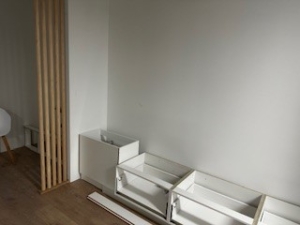
8 November 2025: Flooring installed

The installation of the flooring brought warmth and character to the space. What had looked like a building site only weeks earlier was starting to feel like a real practice.

14 November 2025: Paint, windows and lighting

Fresh paint, finished windows and new lighting transformed the atmosphere of the rooms. The design began to feel bright, clean and contemporary, while still maintaining the warmth and privacy that patients expect from a medical practice.

26 November 2025: The furniture arrives

The arrival of the furniture was another important milestone. Consulting rooms, workspaces and patient areas could finally be arranged as they had been envisioned. The practice was no longer simply a completed fit-out—it was beginning to feel ready for people.

9 December 2025: One day before sign-off

With only the final checks and finishing touches remaining, the long-planned vision had become a reality. The rooms were clean, organised and almost ready for handover.

10 December 2025: Hours before handover

On handover day, the completed lighting and final finishes brought everything together. After progressing from a bare shell through framing, flooring, painting and furnishing, the new practice was finally complete.

Opening the doors

Following the December handover and preparations over the holiday period, we officially opened the doors to our new rooms on 12 January 2026.

The completed practice offers a modern and fresh setting at The Wesley Hospital, designed around patient comfort, privacy and efficient care. We are delighted with the result and grateful to everyone whose planning, skill and hard work helped bring the project to life.

Most importantly, thank you to our patients and referring colleagues for their patience and support throughout the transition. We look forward to welcoming you to the new rooms.

Renovations have been completed. This promises to be modern and fresh.

Living with an indwelling urethral catheter

An indwelling urethral catheter is a soft tube passed through the urethra into the bladder. A small balloon holds it in place and urine drains into a bag. It may be needed for a few days after an operation or for longer when the bladder cannot empty safely. The reason for the catheter and a plan for review should be clear to the patient and the people helping with their care.[1, 2]

Why might a catheter be needed?

Common reasons include acute urinary retention, an obstruction to urine flow, temporary drainage after surgery, and selected cases of chronic retention when other options are unsuitable. In hospital, a catheter may be used to monitor urine output in a critically ill person or manage bleeding and clots. It can occasionally support comfort at the end of life. A urethral catheter is generally not the first response to urinary leakage alone.[1]

When practical, the team should discuss whether the catheter can be removed after a trial of void, whether intermittent self-catheterisation is possible, or whether a suprapubic catheter may be more suitable for longer-term drainage. The best choice depends on bladder function, dexterity, the underlying condition and the person’s wishes.[1, 3]

What might it feel like, and what can go wrong?

Some people notice discomfort or a sense of needing to pass urine after insertion. Bladder spasms can cause cramping or urine to leak around the tube. Leakage can also mean that the catheter is kinked or blocked, so it should be checked rather than simply treated as incontinence. Other possible problems include blood in the urine after insertion or a change, skin irritation, accidental pulling or displacement, blockage from debris or encrustation, and infection.[2, 3]

A long-term urethral catheter can also cause pressure or trauma at the urethral opening; persistent soreness or a change in its appearance deserves review. Bladder stones and repeated blockages are further reasons to reassess the drainage plan. The longer a catheter remains, the more opportunity there is for bacteria to colonise it, so it should stay in place only while needed.[3, 4]

How often should a long-term catheter be changed?

There is no single safe change interval for every catheter and every patient. The plan depends on the catheter material and manufacturer’s instructions, local nursing policy, comfort, drainage, and whether it repeatedly blocks or becomes encrusted. Some community protocols plan changes approximately every four to eight weeks, but an individual plan may differ. The interval should not exceed the relevant product’s recommended duration.[1, 3]

Changing a catheter more frequently just to prevent infection has not been shown to help. A catheter may instead need an earlier change if it is blocked, damaged, displaced, causing problems, or as part of managing a symptomatic infection. People with a history of difficult insertion, urethral injury or bleeding should have a specific plan for who can safely perform the change.[1, 3]

At each review, it is worth asking: Is the catheter still necessary? Could a trial without it or another drainage method be considered?[1]

Day-to-day care at home

Keep the drainage bag below bladder level, avoid kinks in the tubing, and secure the catheter so it does not pull. Wash your hands before and after handling the bag. Follow the nurse’s instructions for emptying it and for cleaning the area where the catheter enters the body. Ordinary hygiene is usually enough; do not disconnect the closed drainage system, flush the catheter or take preventive antibiotics unless your treating team has given a specific instruction.[3, 5]

Drink according to your usual health advice. If you have a fluid restriction for heart or kidney disease, follow that plan rather than trying to drink extra to “flush” the catheter. Ask your nurse which supplies to keep at home and whom to call after hours if drainage stops.[2]

Bacteria in urine: when are antibiotics needed?

With a catheter in place, bacteria commonly grow on the catheter surface. After a month, bacteriuria is found in nearly everyone with a long-term catheter. A positive urine culture without symptoms usually reflects colonisation, not an infection requiring antibiotics. Routine screening or treatment of asymptomatic bacteriuria is generally discouraged because antibiotics can cause side effects and encourage resistant bacteria. Exceptions include pregnancy and certain invasive urological procedures, where the treating team will advise on testing and treatment.[4, 6]

Seek clinical assessment for possible infection if you develop fever, rigors, new pelvic or flank pain, feel distinctly unwell, or have other new symptoms that could indicate infection. In a frail person, a new change in function or confusion warrants assessment of several possible causes rather than automatically assuming a UTI. Cloudy or strong-smelling urine, sediment, or a positive dipstick on its own does not usually justify antibiotics.[4, 6, 7]

When a symptomatic catheter-associated UTI is suspected, a clinician should assess you and arrange a properly collected urine specimen if indicated—not from the drainage bag. Treatment is chosen in light of symptoms, culture results, allergies and local guidance. If the catheter has been in place for more than two weeks and still needs to remain, changing it as part of treatment is commonly recommended. Routine antibiotics at every scheduled catheter change are not recommended.[7, 8]

When to get help promptly

Contact your nurse or doctor promptly if urine stops draining, the catheter falls out, you have significant pain or new bleeding, or urine is leaking around the catheter with little in the bag. Check for a kink or a full bag, but do not forcefully flush or reinsert a catheter yourself unless specifically trained and instructed. Seek urgent medical care if drainage has stopped and you have a painful or swollen lower abdomen, or if you have fever, shaking chills or feel seriously unwell.[2]

Catheter support in Bundaberg

Some people can have catheter assessment and planned changes at home through a community nursing service. Ozcare and BlueCare provide home nursing in the Bundaberg area; whether a nurse can provide catheter care for an individual depends on referral, staffing, clinical needs, service area and funding arrangements. Ask the provider directly about availability and costs before relying on a visit.[9, 10]

For my Bundaberg patients, Sandra Ilett, a continence nurse with Community Nurse Service, is another local contact for bladder and catheter-related care. Sandra and her colleague Carla Kerr have also seen patients at the nurse-led clinic at The Friendlies Medical Suites. Patients can discuss a suitable referral and whether a home visit or clinic appointment is available. Community Nurse Service: (07) 4126 2002.[11] This mention recognises local nursing support; it is not a claim that one service is preferable for every patient.

A written catheter plan should record the reason for drainage, catheter details, the planned review or change, who will provide care, and whom to call if problems arise. Community nurses, the GP and urology team can then coordinate care across visits.

This article provides general information. Follow your individual catheter plan and seek clinical advice for new symptoms or a catheter that is not draining.

References

  1. Queensland Health. Urinary catheter insertion or change: indications and review.
  2. Healthdirect Australia. Catheter problems.
  3. Queensland Spinal Cord Injuries Service. Indwelling catheters.
  4. US Centers for Disease Control and Prevention. Indwelling urinary catheter culture stewardship.
  5. US Centers for Disease Control and Prevention. CAUTI prevention: summary of recommendations.
  6. Infectious Diseases Society of America. Management of asymptomatic bacteriuria.
  7. Queensland Spinal Cord Injuries Service. Management of urinary tract infection.
  8. US Centers for Disease Control and Prevention. Catheter urine culture collection guidance.
  9. Ozcare Bundaberg: home nursing and service area.
  10. BlueCare: community nursing at home; Bundaberg community service listing.
  11. Dr Jo Schoeman. Nurse-led urology clinic in Bundaberg: Sandra Ilett and Carla Kerr.

Renal angiomyolipoma (AML): when to watch, when to treat and when to seek urgent help

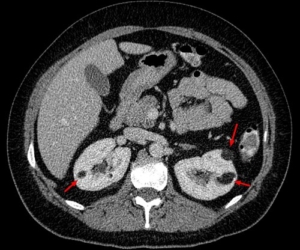
An angiomyolipoma, usually shortened to AML, is a growth in the kidney made up of blood vessels, muscle-like tissue and fat. Most are found by chance on a scan and never cause trouble. The main concern is that some AMLs can bleed, occasionally quite severely. The right plan depends on the diagnosis, the growth’s features and your circumstances, not its diameter alone. [1,2]

In this article, “AML” means angiomyolipoma, not acute myeloid leukaemia.

Is an AML cancer?

A classic renal AML is generally a benign tumour. Most occur on their own (sporadic AML). Some occur with tuberous sclerosis complex (TSC) or, less commonly, lymphangioleiomyomatosis (LAM); these can be multiple, affect both kidneys and require a different surveillance and treatment approach. A rare epithelioid AML can behave aggressively and needs specialist assessment. Not every solid renal mass presumed to be an AML can be confidently identified on a scan, particularly when little visible fat is present. [1,3,4]

What symptoms can it cause?

Many AMLs have no symptoms. Possible symptoms include aching or pain in the side, visible blood in the urine, or, less commonly, a palpable swelling. A sudden bleed into or around the kidney may cause abrupt, severe flank or abdominal pain, sometimes with dizziness, fainting, weakness or a racing heart. Blood in the urine and flank pain can also have other causes, including stones or cancer, so they should be assessed rather than attributed automatically to a known AML. [1–3]

Emergency warning: If you develop sudden severe side or abdominal pain, especially with faintness, collapse, a racing heart or visible bleeding, call 000 in Australia or attend an emergency department immediately. A bleeding AML can cause major blood loss even when blood is not visible in the urine. Do not wait for a routine appointment. [1,3]

How is it diagnosed?

An AML may first appear on an ultrasound performed for another reason. CT or MRI helps confirm whether it contains fat and assess its size, location, blood vessels and any evidence of bleeding. Contrast-enhanced imaging may be needed for an indeterminate lesion or procedural planning, with the choice adapted to kidney function, pregnancy and other factors. A classic fat-rich AML is often diagnosed on imaging alone. A fat-poor AML may resemble kidney cancer; specialist review, further imaging or a biopsy may be appropriate if the result would change management. Biopsy has limitations and is chosen case by case. [1,3,4]

The assessment may also include blood pressure, kidney function and a blood count if bleeding is suspected. Multiple or bilateral AMLs, especially in a younger person, should prompt consideration of TSC or LAM and appropriate specialist input. [3,5]

Is there a critical size that must be treated?

There is no single diameter at which every AML must be removed. The traditional rule to treat an AML once it reaches 4 cm is no longer considered an automatic trigger. The European Association of Urology (EAU) states that the relationship between size and bleeding risk is uncertain and that no universal intervention threshold exists. Some larger AMLs can still be watched safely; a smaller one may need treatment if it bleeds or causes persistent symptoms. [1,2]

Size remains one part of the discussion. The team may also consider growth, vascular features or aneurysms seen on imaging, prior bleeding, pain, kidney function, pregnancy plans, blood-thinning medicines and access to urgent care. An aneurysm measurement such as 5 mm has been proposed as a risk marker, but recent evidence questions how reliably it predicts bleeding on its own. These findings guide an individual discussion; they do not supply a stand-alone rule. [1,3,6]

Management options

Active surveillance

For a confidently diagnosed, symptom-free AML, monitoring is often appropriate. It avoids exposing people with stable lesions to procedure risks. A surveillance plan records the starting size and imaging characteristics, checks for new symptoms and uses ultrasound, MRI or CT when appropriate to look for change. There is no single imaging interval suitable for all sporadic AMLs. A small, stable lesion may need little or no ongoing imaging after specialist review; a larger or changing lesion usually needs closer follow-up. Agree on the next scan, who will review it and what changes should prompt earlier contact. [1–3]

Selective arterial embolisation

An interventional radiologist passes a catheter into the blood vessels feeding the AML and blocks selected branches. Embolisation can control active bleeding and can be considered in advance for selected higher-risk or symptomatic tumours, while preserving kidney tissue. Pain, fever and nausea can occur afterwards; infection, non-target embolisation and repeat treatment are possible. In the EAU systematic review, around 30% of embolised cases required a further intervention, although individual outcomes vary. [1,2]

Kidney-sparing surgery

A partial nephrectomy removes the AML while aiming to preserve the rest of the kidney. Open, laparoscopic or robotic approaches may be considered depending on anatomy and surgical expertise. Surgery may be useful when imaging is uncertain, symptoms persist, embolisation is unsuitable or a definitive removal is preferred. It carries anaesthetic, bleeding, urine leak and kidney-function risks. Removal of the whole kidney is generally reserved for situations where kidney-sparing care is not feasible, especially in an emergency. [1–3]

Ablation and medicines

Thermal ablation is used less often for AML, and the evidence is more limited than for surveillance, embolisation and surgery. For TSC-associated AML, specialist teams may use an mTOR inhibitor such as everolimus for an asymptomatic but growing lesion over 3 cm when treatment is appropriate. This TSC recommendation should not be applied automatically to an isolated sporadic AML. Medicines require monitoring for adverse effects and interactions. [1,2,5]

What happens if an AML bleeds?

In hospital, the immediate priorities are resuscitation, blood tests and imaging to locate the bleed. Treatment may include intravenous fluids, blood transfusion and urgent selective arterial embolisation to stop the bleeding. Surgery is considered if embolisation is unavailable, unsuccessful or otherwise unsuitable. After recovery, follow-up checks the AML, remaining kidney function and whether further treatment is needed. [1,3]

How is surveillance different with tuberous sclerosis?

TSC-related AMLs require a coordinated long-term plan because lesions may occur in both kidneys and kidney function needs protection over a lifetime. The 2021 international TSC recommendations advise abdominal MRI every 1–3 years, with blood pressure, kidney function and urine protein checked at least yearly; the interval is tailored to individual risk. Growing AMLs greater than 3 cm may merit first-line mTOR treatment when intervention is indicated, while acute bleeding is generally managed with embolisation. A TSC specialist team can help balance treatment against the need to preserve kidney tissue. [5]

Questions to bring to your appointment

  • Is the imaging diagnosis of a classic AML secure, or is more investigation needed?
  • What are its size, growth pattern and vascular features?
  • What is my personal risk of bleeding, and how does kidney function affect my options?
  • If we monitor it, when is my next scan and what result would change the plan?
  • If treatment is recommended, why is embolisation, surgery or another option best for me?

This article provides general information and does not replace individual assessment or advice.

References

  1. European Association of Urology. EAU Guidelines on Renal Cell Carcinoma, section on other renal tumours and AML. Accessed September 2026.
  2. Fernández-Pello S, et al. Management of sporadic renal angiomyolipomas: a systematic review to guide EAU recommendations. European Urology Oncology. 2020;3:57–72. doi:10.1016/j.euo.2019.04.005.
  3. Guo Y, et al. Canadian Urological Association best practice report: Diagnosis and management of sporadic angiomyolipomas. Canadian Urological Association Journal. 2020;14–E536. doi:10.5489/cuaj.6942.
  4. Wilson MP, et al. Diagnostic performance of MRI in detection of renal lipid-poor angiomyolipomas: systematic review and meta-analysis. Radiology. 2020;296:511–520.
  5. Northrup H, et al. Updated international TSC diagnostic criteria and surveillance and management recommendations. Pediatric Neurology. 2021;123:50–66. See also Tuberous Sclerosis Australia: Kidneys.
  6. Swärd J, et al. Renal angiomyolipoma: investigating radiological signs indicative of bleeding risk. Insights into Imaging. 2025.

Why Self-Care Is Not Selfish: It’s Your Healing Tool

Making room for yourself: self-care during stressful times

Life can become so full of work, family needs and everyday responsibilities that rest starts to feel like something we have to earn. When stress or anxiety builds, even basic things—sleeping well, eating regularly, seeing a friend—can slip down the list. Making time to care for yourself is a practical way to protect your health and stay connected to what matters to you.

Self-care does not need to be expensive, time-consuming or tied to any particular belief. For one person, it might mean prayer or time with a faith community. For another, it might be quiet reflection, a walk outside, music or a conversation with a friend. There is no single right way to rest.

What does self-care actually mean?

Self-care includes ordinary habits that support physical and emotional wellbeing: enough sleep, regular meals, movement you enjoy, time with people you trust and breaks from constant demands. It can also mean setting a boundary, asking for help, attending a medical appointment or saying no when your capacity is stretched.

It is not another task to do perfectly. When you are exhausted, a small, realistic step may be more useful than an ambitious routine that adds pressure.

1. A pause can help you reset

Stress can narrow our attention to the next problem. Taking a few minutes to breathe slowly, step outdoors or notice what is happening around you can create space to respond more calmly. The World Health Organization offers short, practical exercises for coping with stress that can be used in everyday life. You might prefer stillness, meditation, prayer or simply putting your phone away while you drink a cup of tea.

Try asking yourself: What do I need in the next ten minutes? The answer might be a glass of water, a break, company or a chance to finish one manageable task.

2. Rest supports you when demands keep growing

Self-care cannot remove every source of stress, especially when caring responsibilities, financial pressure or work conditions are involved. It can, however, help you notice when the load has become too heavy. Persistent exhaustion, irritability, poor sleep or feeling detached from things you usually value are signs to slow down and seek support.

Sometimes the most helpful step is a practical change: sharing a task, taking leave, discussing workload or arranging help at home. You do not have to solve every problem by becoming better at coping with it alone.

3. Your needs matter too

People who care for others often feel guilty about taking time for themselves. Yet your need for rest, connection and support deserves attention in its own right. A quiet hour, a hobby or an appointment with a health professional is not a reward for completing everything else.

For those who draw strength from religion or spirituality, personal practices may be part of this care. Others find meaning through nature, relationships, creativity or community. Choose what feels supportive and consistent with your own values.

4. Caring for yourself can help your relationships

Rest does not guarantee patience or solve every conflict, but it may make it easier to listen, communicate and be present. It also gives others permission to be honest about their limits. Caring for yourself and caring for others can sit alongside each other.

A simple place to start

Choose one step that fits your life this week:

  • Take a short walk or spend a few minutes outdoors.
  • Keep a regular bedtime where possible.
  • Share how you are feeling with someone you trust.
  • Make space for prayer, reflection, mindfulness or quiet, if that helps you.
  • Reduce time spent on news or social media if it leaves you feeling overwhelmed.
  • Ask for help with one specific task.

If stress or anxiety persists, affects sleep or daily life, or feels difficult to manage, speak with your GP or a mental health professional. Self-care can support recovery, but it does not have to carry the whole burden of treatment. If you feel at risk of harming your

self or need immediate help in Australia, call 000 or visit the nearest emergency department. You can also contact Lifeline on 13 11 14.

This article is general wellbeing information, not a substitute for individual medical or mental health care.

Further reading

Prostate Health and Urology

When it comes to men’s health, one topic that often takes center stage is prostate health. As a vital part of the male reproductive system, the prostate plays a crucial role in urinary function and overall well-being. We sit down with Dr. Jo Scheoman, a renowned urologist based in Brisbane, to discuss the importance of prostate health and its connection to urology.


Meet Dr. Jo Scheoman
Dr. Jo Scheoman is a highly respected urologist with years of experience in diagnosing and treating a wide range of urological conditions. Specialising in prostate health, Dr. Scheoman is dedicated to providing compassionate care and innovative treatments to patients in Brisbane and beyond. With a focus on patient education and empowerment, Dr. Scheoman strives to raise awareness about the importance of proactive prostate health management.


Understanding Prostate Health:
The prostate is a small gland located below the bladder and in front of the rectum. Its primary function is to produce fluid that nourishes and protects sperm. As men age, the prostate can undergo changes that may affect urinary function and overall health. Common prostate conditions include:

– Benign Prostatic Hyperplasia (BPH): Enlargement of the prostate gland, which can lead to urinary symptoms such as frequent urination, urgency, and incomplete emptying of the bladder.
– Prostatitis: Inflammation or infection of the prostate gland, often causing pain or discomfort in the pelvic area and changes in urinary habits.
– Prostate Cancer: The most common cancer in men, prostate cancer occurs when abnormal cells develop in the prostate gland. Early detection and treatment are critical for favorable outcomes.


The Role of Urology in Prostate Health:
As a specialised field of medicine, urology focuses on the diagnosis and treatment of conditions affecting the urinary tract and male reproductive system, including the prostate. Urologists like Dr. Scheoman play a vital role in assessing prostate health, diagnosing conditions, and recommending appropriate treatment options. From routine screenings and diagnostic tests to advanced surgical procedures, urologists are equipped to address a wide range of prostate-related concerns.

urologist brisbane, urology brisbane,

Maintaining Prostate Health:
While certain risk factors for prostate conditions, such as age and family history, are beyond our control, there are steps men can take to promote prostate health and reduce the risk of developing prostate-related issues. These include:

– Healthy Lifestyle: Adopting a balanced diet rich in fruits, vegetables, and lean proteins, along with regular exercise, can support overall health and reduce the risk of obesity, which is linked to prostate issues.
–  Regular Check-ups: Scheduling routine check-ups with a urologist for prostate screenings and evaluations is essential for early detection and intervention.
– Awareness and Education: Staying informed about prostate health and understanding the signs and symptoms of prostate conditions can empower men to take proactive steps towards their well-being.


Prostate health is a critical aspect of men’s overall well-being, and proactive management is key to maintaining optimal health and quality of life. With the expertise and guidance of urologists like Dr. Jo Scheoman, men can take control of their prostate health and enjoy a fulfilling, healthy life. Whether it’s preventive screenings, diagnostic evaluations, or personalized treatment plans, urologists play a crucial role in supporting men’s health every step of the way. If you’re in Brisbane and seeking expert urological care, Dr. Jo Scheoman is here to provide compassionate, comprehensive services tailored to your unique needs.

Phone : (07) 3371 7288

Website : https://www.drjoschoeman.com.au/

WESLEY HOSPITAL

Suite 10, Level 9
Evan Thomson Building
24 Chasely Street
Auchenflower, 4066

“Beat the Leak”: The Team Behind the Surgery

The Steam, Laser-Beam, Dream-Stream, Uro-Team

People often ask what happens behind the theatre doors. They usually know the surgeon’s name, but the work is done by a team.

I’m fortunate to work regularly with a group of theatre nurses, anaesthetists and support staff who know one another’s routines and are comfortable speaking up. Before an operation starts, we check the plan, the equipment and the details that matter for that particular patient. During the procedure, each person has a job to do, and clear communication helps us respond when a plan needs to change.

Our team has a motto: “Beat the Leak.” It makes us smile, but it also captures a serious part of my work as a urologist. For someone living with urinary incontinence, a leak can mean planning every outing around a toilet, avoiding exercise or worrying about an embarrassing moment. It is easy to underestimate how much that can affect daily life.

“Beat the Leak” is our reminder to listen closely to that experience and work towards better bladder control. The right approach depends on the cause of the leakage. It may involve pelvic floor physiotherapy, changes to daily habits, medication or a procedure. Surgery is appropriate for some people, but no operation can promise a dry outcome for everyone. We discuss the likely benefits, risks and alternatives with each patient before deciding on a plan.

The care continues after the operation. The recovery team helps patients through the first hours, explains what to expect at home and makes sure concerns reach the right person. Follow-up matters too: it gives us a chance to check healing, assess whether treatment has helped and decide if anything else is needed.

I value the skill and kindness of the people I work with in theatre. Our motto may be light-hearted, but the aim behind it is simple: to help each patient feel heard, well cared for and more confident in everyday life.

Dr Joseph “Jo” Schoeman


Cool Hey! Keep an eye out for us at St Andrews War Memorial hospital and the Wesley Hospital